The Best Times of Year to Visit Ireland
Planning a trip to Ireland and unsure when to go? This emerald isle offers a plethora of experiences year-round, thanks to its rich culture, verdant landscapes, and welcoming people. Each season presents its unique charm, from dazzling green fields in spring to cozy pub nights during the brisk winters. This guide will walk you through the best times to visit Ireland based on weather, attractions, and personal preference. We’ll discuss what each month offers, helping you to make an informed choice on when to embark on your Irish adventure. Whether you’re chasing sunshine or enjoying the quiet of off-peak travel, there’s a perfect time for everyone to explore the magic of Ireland.
What is the best time to visit Ireland?
Determining the best time to visit Ireland depends on what you’re looking for. Ireland boasts unique attractions no matter the month, from its rugged coastlines to its lively cities. Typically, the months from May to September see the most tourists, thanks to the generally milder weather and longer daylight hours. However, with these advantages come larger crowds, especially in popular locations like Dublin and the Ring of Kerry.
For those seeking quieter, more contemplative experiences, or perhaps lower prices, the shoulder seasons of spring (March to May) and autumn (September to November) are ideal. These months offer a beautiful blend of manageable weather and lower tourist numbers, allowing for a richer and more personal engagement with the country’s enchanting landscapes and culture. Winter months bring their own delights, such as festive celebrations and a more intimate atmosphere in local pubs.
The best time to go to Ireland weather wise
Ireland’s weather is famously unpredictable, with the saying going that you can experience all four seasons in a day. The climate is classified as temperate maritime, meaning it rarely experiences extreme heat or bitter cold. Generally, the east of the country is drier, while the west can be wetter and windier, thanks to the Atlantic Ocean. Summer temperatures average between 60°F to 70°F (15°C to 20°C), with May and June often boasting the sunniest spells.
Winter months are significantly cooler, averaging 40°F to 50°F (5°C to 10°C). Rain is a common occurrence throughout the year, so it’s always wise to pack waterproof clothing. Regardless of the season, a visit to Ireland will likely require an umbrella and a good pair of walking shoes. While spring and autumn might carry the risk of rain, they can also offer beautifully clear days perfect for exploring the scenic outdoor locations Ireland is known for.
When to visit Ireland: The pros and cons of each month
January
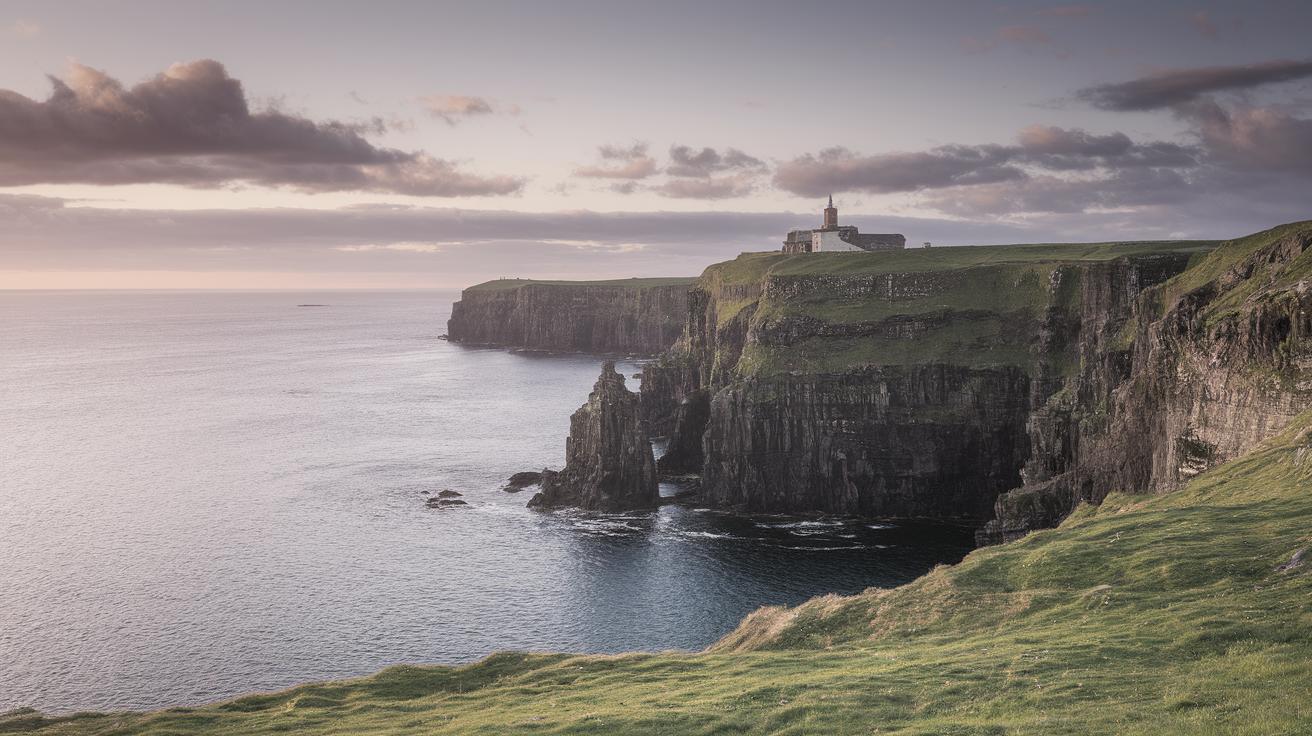
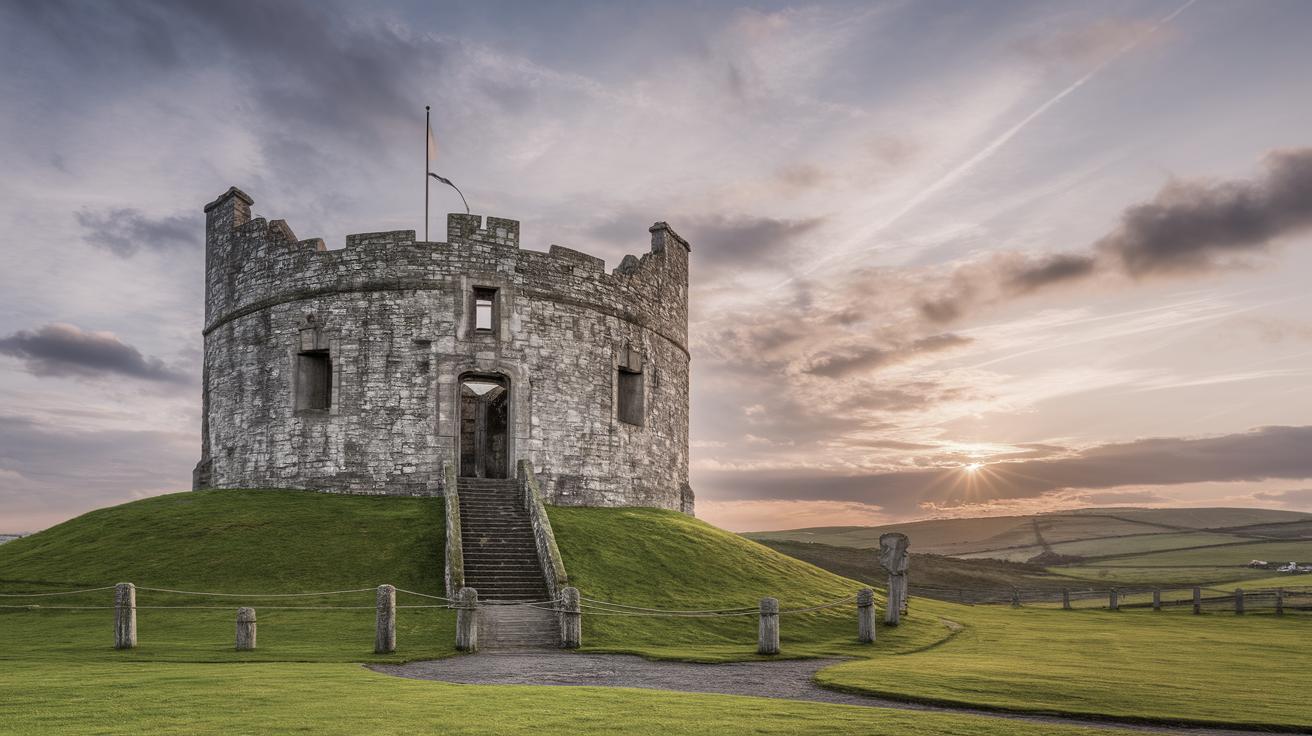
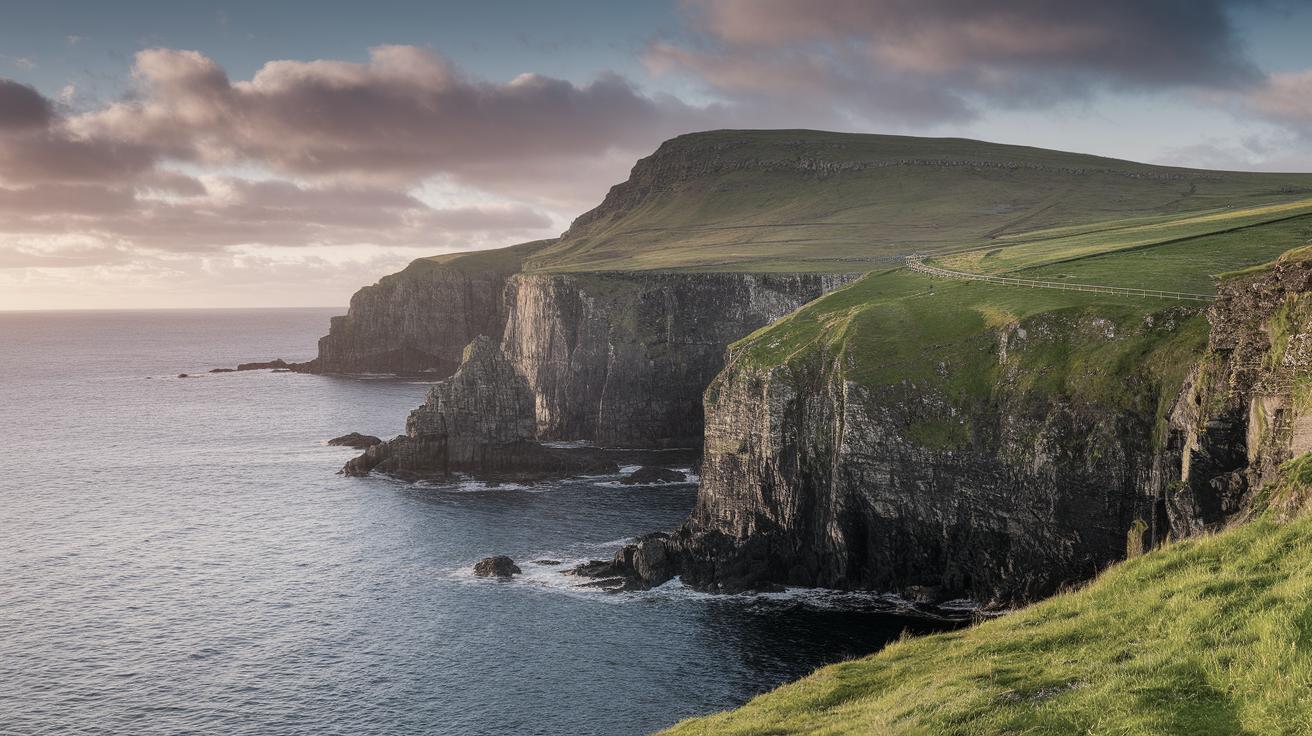
In January, Ireland sees some of its coldest and dampest weather, but this is also when you’ll find the country at its least crowded. With tourists few and far between, you can explore popular spots like the Cliffs of Moher or the Blarney Castle without the usual hustle and bustle. This month is perfect for those who enjoy a slower pace and are intrigued by cozy afternoons in charming Irish pubs.
On the downside, daylight is limited, with the sun setting as early as 4:30 PM. Many attractions might operate on reduced hours or be closed for the season. The weather requires you to be prepared for rain and cooler temperatures, but it offers an opportunity to experience Ireland’s introspective winter beauty and warm hospitality.
February
February continues with similar weather patterns to January, though the days gradually lengthen, offering a little more daylight for exploration. It is still an off-peak month, continuing the benefits of fewer crowds and quieter attractions. Prices for accommodation and travel are typically lower, making it a budget-friendly option for spontaneous travelers.
While February might not offer the most idyllic weather, those visiting during this month can enjoy unique seasonal activities like winter festivals, which showcase local arts and culture. If you’re willing to pack for cold and damp conditions, you’ll be rewarded with a cozy, authentic Irish experience.
March
March marks a transition in Ireland from winter to spring. As daylight hours extend, the island begins to shake off its winter coat. This month offers a notable attraction: St. Patrick’s Day on March 17th. Celebrations occur nationwide with parades, music, and the unmistakable Irish spirit. It’s an excellent time to see Ireland at its most vibrant and festive.
This lively period does mean an influx of visitors, particularly to Dublin. Weather-wise, March can be quite variable, so packing layers is advisable. While it may still be chilly, the fresher air and budding greenery make for beautiful vistas and excellent photographic opportunities.
April
In April, Ireland begins to bloom. This month sees milder weather and is an ideal time for outdoor activities. Garden enthusiasts will particularly appreciate the burst of color as flowers begin to bloom, showcasing the natural beauty of the country’s landscapes. You’ll find decent weather for hiking and sightseeing without the summer crowds.
April in Ireland is also a warmer prelude to the busy tourist season. While it still holds the unpredictability of rain, it provides the perfect balance for those wanting to explore Ireland’s natural beauty and cultural heritage without summer’s higher costs and busyness.
May
May is often regarded as one of the best months to visit Ireland. It combines generally good weather with the lushness of spring. With daylight stretching well into the evening, it offers ample time to explore both cities and the countryside. The month also hosts several cultural events and festivals, enriching the travel experience with authentic Irish traditions.
Temperatures continue to rise, making it comfortable for various outdoor activities. Travelers can enjoy everything from coastal hikes to visits to historical sites. While it may attract more tourists than earlier months, it’s still less busy than the peak summer period, making it a strategic choice for those seeking beauty with relative peace.
June
June welcomes summer to Ireland with long, beautiful days and a lively atmosphere across the country. The summer solstice is particularly special, with celebrations that tap into Ireland’s rich history and ancient traditions. Tourist attractions are fully open, and festivals abound, offering layers of cultural experiences.
This month, temperatures are generally pleasant, and the countryside is in full bloom. However, you’ll start to encounter larger crowds and higher prices, especially in popular areas. June is perfect for those longing for robust activities, from music festivals to open-air events.
July
July is peak tourist season in Ireland. With school holidays in full swing, many families take advantage of the warm, settled weather. It’s an excellent time for beach outings and outdoor adventures. The country’s festivals are in full throttle, showcasing everything from music and arts to historical reenactments.
Although crowded and more expensive, particularly in popular locations, July provides the assurance of the best weather conditions. Accommodation can fill up quickly, so planning and booking in advance is crucial. This month is ideal for those who enjoy a vibrant, active travel scene.
August
August continues the summer festivities and favorable weather, albeit with the height of tourist crowds. The landscape remains lush and breathtaking, perfect for exploring Ireland’s many beautiful outdoor spaces. Events across the country celebrate the warmth of summer with cultural and music festivals taking center stage.
Travel costs remain high, and popular sites can become quite crowded. Despite the cons, August is a hit for those seeking a lively Irish experience filled with energy and warmth. Preparation and early bookings can mitigate some of the downsides of traveling during this busy month.
September
September marks the beginning of autumn in Ireland. The tourist crowds begin to thin, yet the weather remains pleasant, making it an attractive option for travelers seeking the magic of Ireland with fewer people around. It’s a time when the landscapes often appear more vibrant, basked in the warm hues of early autumn.
As the summer rush dwindles, so do accommodation prices. It’s a month blessed with a mix of tranquility and activity as various harvest festivals and cultural events take place. September is ideal for experiencing Ireland’s natural beauty without the summer frenzy, appealing to those who enjoy a more relaxed travel pace.
October
October brings cooler temperatures and a kaleidoscope of autumn colors to Ireland. It’s a quiet time, perfect for exploring with crisp air and stunning scenery. Halloween, a celebration with ancient Celtic roots, is a highlight of the month, adding a bewitching atmosphere to the already mystical Irish landscapes.
This month is great for those who enjoy brisk walks, the transitioning seasons, and cultural events like the Dublin Theatre Festival. While the days are shorter and the possibility of rain is high, October offers a cozy, contemplative experience.
November
November sees Ireland transition into winter. With fewer tourists, it offers a serene atmosphere for exploring historic sites and partaking in Ireland’s famed pub culture. The weather can lean toward chilly and wet, perfect for enjoying hearty Irish stews and fireside drinks.
This month is ideal for travelers who want to delve into Ireland’s music, literature, and history, as cultural gatherings tend to fill the calendar. While daylight is limited, November’s tranquility provides a peaceful respite in the midst of stunning, often dramatic, weather.
December
December in Ireland is filled with festive cheer. From bustling Christmas markets to traditional holiday events, it’s a month of celebration and warmth amidst the chilly weather. While the weather is cold, the spirit of the season is vibrant, offering a wonderful mix of cultural and family-oriented activities.
Tourist numbers increase slightly, attracted by the festive ambience and winter deals. A visit to Ireland in December means layering up, but it’s compensated by the incredible holiday experiences awaiting you, from dazzling lights to piping hot whiskies.
Now you know the best time to go to Ireland climate wise
Deciding when to visit Ireland depends on what you value most about your travels. Whether it’s the lively festival season of summer, the vibrant and naturally stunning landscapes of spring and autumn, or the introspective calm of winter, each season offers a fresh and unique perspective of the island.
With the information provided, planning your trip will be easier, helping you choose based on weather, event calendars, and personal preference for crowd density and traveler activity. Regardless of the month you choose, Ireland is a land of endless wonder, offering a warm welcome to all who visit.
| Month | Pros | Cons |
|---|---|---|
| January | Fewer crowds, authentic atmosphere | Limited daylight, damp weather |
| February | Low costs, unique festivals | Cold, unpredictable weather |
| March | St. Patrick’s celebrations, longer days | Increased tourists, variable weather |
| April | Blooming landscapes, milder weather | Chance of rain |
| May | Best balance of weather and crowds | Slight increase in tourists |
| June | Longest days, full festival calendar | Higher prices and crowds |
| July | Warm weather, diverse events | Peak tourist season |
| August | Lively events, beautiful landscapes | Expensive, crowded |
| September | Fewer crowds, pleasant weather | Cooler, slight rain risk |
| October | Autumn colors, Halloween events | Shorter days, potential rain |
| November | Peaceful, cultural attractions | Chilly weather, limited daylight |
| December | Festive spirit, holiday events | Cold, potential travel disruptions |