Unique Wildlife Species Found in Ireland
Welcome to an enchanting journey through the unique wildlife of Ireland, a country with rich biodiversity and fascinating stories of conservation and mythology. This blog post explores Ireland’s remarkable marine and terrestrial fauna, the magic of its national parks, and spotlight its rare and endangered species. You’ll learn about the important conservation efforts underway and discover some of Ireland’s premier birdwatching hotspots, along with seasonal wildlife highlights. We’ll also dive into the role of Irish zoos and aquariums in protecting species, share top tips for responsible wildlife watching, and answer your burning FAQs about Ireland’s cherished creatures.
Ireland’s Rich Biodiversity
Marine Life
The coastal waters around Ireland are teeming with life, home to notable marine creatures such as the common bottlenose dolphin and the gray seal. The nutrient-rich Atlantic waters contribute to this biodiversity, supporting a thriving ecosystem that attracts countless marine enthusiasts each year.
Minke whales frequently make appearances off the Irish coast, offering a spectacular sight for whale watchers. Additionally, the various species of shark, including the harmless basking shark, can often be seen along these coastal waters, reinforcing Ireland’s status as a marine biodiversity hotspot.
Terrestrial Mammals
Ireland’s terrestrial mammals, though fewer than in other parts of Europe, include fascinating species like the Irish hare, an endemic subspecies. The red deer, found primarily in County Kerry, is Ireland’s largest land mammal and an iconic presence in the Irish countryside.
Although the wolf and the bear are long extinct in Ireland, efforts are being made to reintroduce similar species, which could help restore natural processes and enhance biodiversity. Foxes, badgers, and hedgehogs remain common in the Irish landscape, contributing to its unique ecology.
Avian Wonders
Birdlife in Ireland is nothing short of superb. The island serves as a critical stopover for migratory birds, with numerous bird species like the puffin and the barn owl providing wondrous spectacles. The Eurasian curlew, with its haunting call, is among Ireland’s most prized avian creatures.
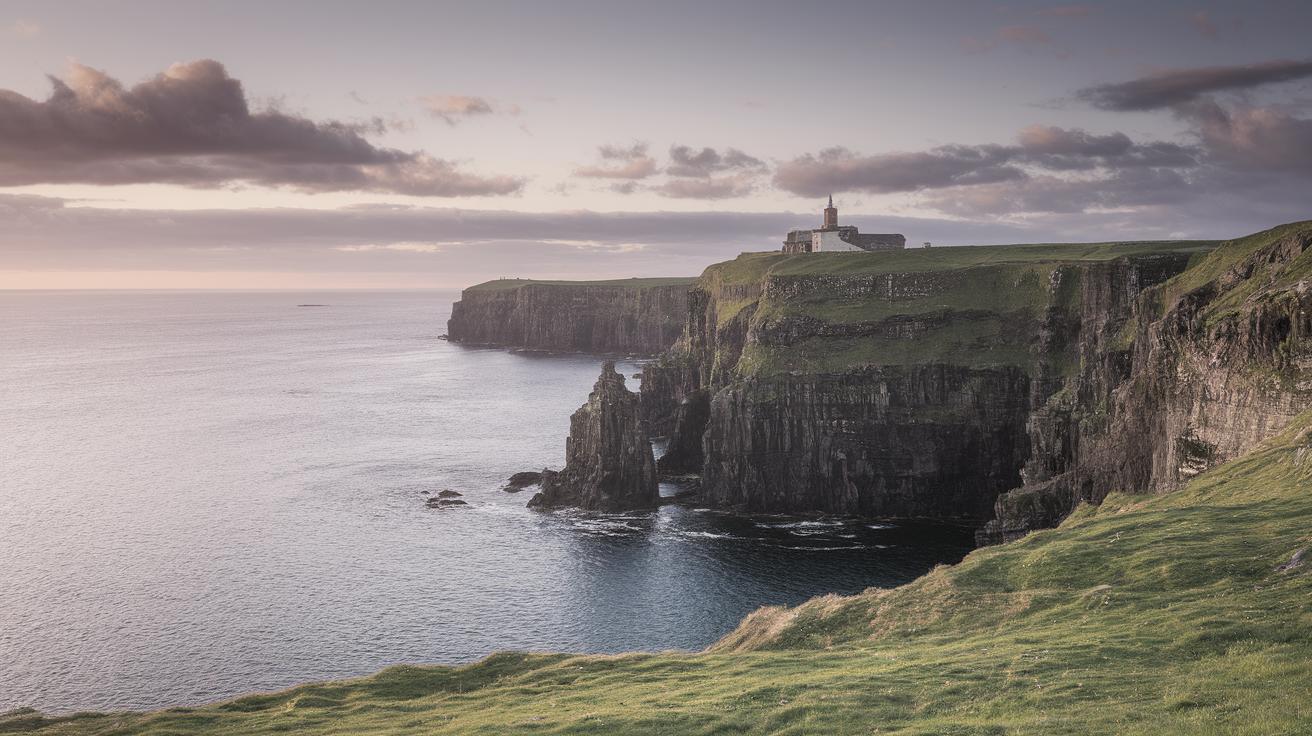
The coastal cliffs are vibrant with colonies of seabirds, including guillemots and razorbills, while the bogs and woodlands host an array of songbirds. Birdwatchers from around the globe delight in Ireland’s avifauna, which is celebrated for its diversity and enchanting presence.
The Magic of Ireland’s National Parks
Killarney National Park
Killarney National Park in County Kerry is a sanctuary of biodiversity and beauty. Its lush landscapes are home to red deer, unique plant species, and a variety of birdlife. The park’s lakes and mountains contribute to its fairy-tale atmosphere, attracting naturalists and tourists alike.
The national park is a UNESCO Biosphere Reserve, protecting an array of habitats including ancient oak and yew woodlands. Guided tours and educational programs within the park offer insights into the conservation efforts that preserve this vital ecological treasure.
Connemara National Park
Another jewel in Ireland’s natural crown is Connemara National Park, renowned for its spectacular scenery and rich biodiversity. Located in County Galway, the park features diverse habitats ranging from bogs to heaths, supporting a vibrant array of wildlife.
The park is particularly famous for the Connemara pony, a breed native to the region. Visitors can explore walking trails that traverse a landscape steeped in history and natural beauty, with striking views of the Twelve Bens mountain range.
Rare and Endangered Species
Ireland’s efforts to protect its rare and endangered species are ongoing concerns, with species like the Atlantic salmon and the freshwater pearl mussel requiring urgent conservation actions. Pollution, habitat loss, and climate change pose significant threats to these species and their habitats.
Collaborative conservation programs aim to bolster populations through habitat restoration, creating awareness, and implementing legal protections. The Dublin Zoo and other institutions play a crucial role in these efforts, supporting breeding programs and public education initiatives.
Rewilding Diaries: An encounter with the mighty European Bison
Rewilding efforts have the potential to reshape Ireland’s ecological future. Recently, the reintroduction of the European bison has been met with excitement, as these majestic creatures help restore environmental balance and enhance biodiversity.
Witnessing a bison in the Irish landscape offers a glimpse into a world where ecosystems work harmoniously, reminding us of the natural beauty and power of rewilding projects. This uncommon encounter speaks volumes about the promise of ecological restoration in Ireland.
The Influence of History and Legend on Irish Wildlife
Ireland’s folklore and legends are rich with tales of creatures, both mythical and real, casting a spell on its wildlife perception. The selkie, a mythical seal that could transform into a human, reflects Ireland’s connection to the sea and marine life.
Stories of mythical creatures like the Púca, a shape-shifting spirit, showcase the intertwining of culture and nature. These tales enrich the country’s natural history, influencing how people perceive and interact with local wildlife.
Conservation Efforts and Rewilding
Conservation efforts in Ireland are dynamic and multifaceted, addressing critical issues such as habitat loss, species protection, and environmental education. Initiatives aiming to restore natural landscapes through rewilding have gained momentum, focusing on species reintroduction and ecosystem restoration.
Non-governmental organizations and governmental bodies collaborate to protect vulnerable ecosystems and engage communities in conservation activities, ultimately fostering a culture of environmental stewardship nationwide.
Birdwatching Hotspots
Ireland is a birdwatcher’s paradise, with hotspots scattered across the country offering exceptional avian encounters. The Shannon Estuary and Lough Neagh are famous for diverse birdlife, including waders and waterfowl.
Inland locations such as their forests and nature reserves provide refuge to many species of songbirds, making Ireland an extraordinary destination for bird watching enthusiasts across all seasons.
The Beauty of Ireland’s Remote Islands
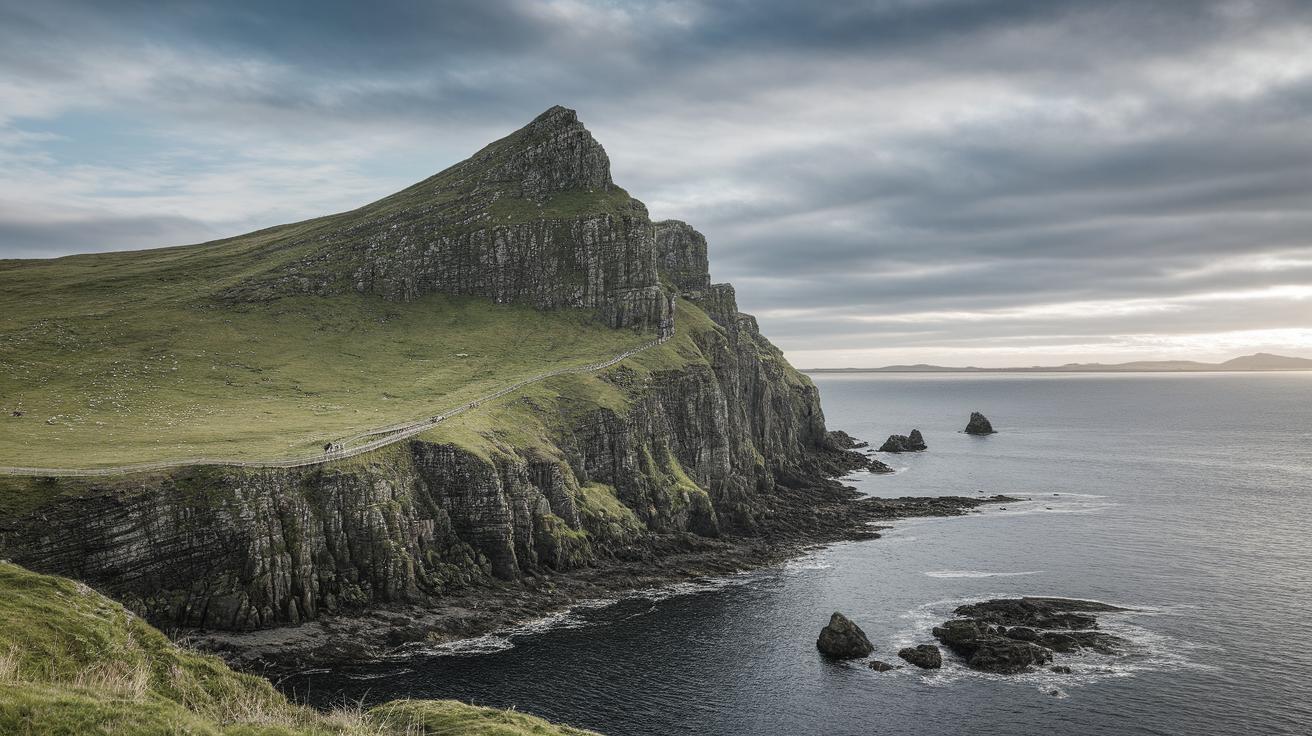
Ireland’s remote islands, such as the Skelligs and the Aran Islands, boast incredible biodiversity and breathtaking landscapes. These islands serve as vital habitats for seabirds, seals, and other marine and terrestrial species.
The isolated nature of these islands provides a peaceful sanctuary for wildlife and offers visitors an opportunity to connect with nature in its most untouched form, appreciating the serenity and beauty of Ireland’s natural heritage.
Seasonal Wildlife Highlights
Ireland’s seasonal wildlife spectacles attract nature lovers throughout the year. Spring marks the arrival of migratory birds, while summer sees a proliferation of marine life on Ireland’s coasts.
In autumn, the majestic rutting of red deer captivates visitors, while winter brings the return of whooper swans from Iceland, ensuring that every season offers a unique glimpse into Ireland’s natural world.
The Role of Irish Zoos and Aquariums
Zoos and aquariums in Ireland serve as critical components of conservation strategies, providing safe havens for endangered species and promoting public awareness of wildlife issues. Facilities like the Dublin Zoo and Galway Atlantaquaria play vital roles in education and research initiatives.
Collaborative conservation programs extend beyond captivity, working internationally to protect species and habitats, reinforcing the integral role that zoos and aquariums have in global and local conservation efforts.
Top Tips for Responsible Wildlife Watching
Responsible wildlife watching in Ireland means respecting habitats and minimizing human impact. Tourists are encouraged to maintain a safe distance, avoid disturbing wildlife, and adhere to local guidelines set by conservation authorities.
Supporting local conservation projects and opting for eco-friendly tours are ways to ensure that wildlife experiences contribute positively to the preservation of Ireland’s natural wonders for future generations.
Key Takeaways
This exploration of Ireland’s unique wildlife reveals a tapestry of biodiversity, cultural significance, and conservation challenges. At the heart of Ireland’s wildlife story are community-involved conservation efforts, chronicled tales of mythical creatures, and the majestic sights of rewilded lands.
Understanding and respecting the complexity of Ireland’s ecosystems fosters a deep appreciation for the natural world, reminding us of our role in preserving these treasures.
Frequently Asked Questions
What wildlife is native to Ireland?
Native wildlife in Ireland includes species like the red deer, Irish hare, and pygmy shrew. The country’s biodiversity is further enriched by its bird, marine, and insect populations.
What is the largest predator in Ireland?
The largest native predator in Ireland is the pine marten. Historically, the wolf held this title, but it is now extinct in the region.
What is the rarest wildlife in Ireland?
Some of the rarest wildlife includes the corncrake and the freshwater pearl mussel, species that are subject to ongoing conservation efforts due to their endangered status.
What is Ireland’s national animal?
Ireland does not have an official national animal, but the red deer is often considered a national symbol due to its historical significance and cultural presence.
What is the iconic animal of Ireland?
The Irish hare is often regarded as an iconic animal of Ireland, celebrated for its cultural significance and unique presence in Irish folklore.
Lessons Learned
| Topic | Summary |
|---|---|
| Ireland’s Rich Biodiversity | Explores marine, terrestrial, and avian wildlife, emphasizing the ecological richness of Ireland. |
| The Magic of Ireland’s National Parks | Highlights the biodiversity and conservation efforts in Killarney and Connemara National Parks. |
| Rare and Endangered Species | Focuses on protected species and the conservation challenges they face. |
| Rewilding and Conservation | Discusses the reintroduction of species, such as the European bison, and conservation initiatives. |
| Legend and Culture | Explores the influence of folklore and history on the perception of Irish wildlife. |
| Wildlife Watching and Ethics | Provides tips for responsible observation and the role of zoos and aquariums in education and conservation. |