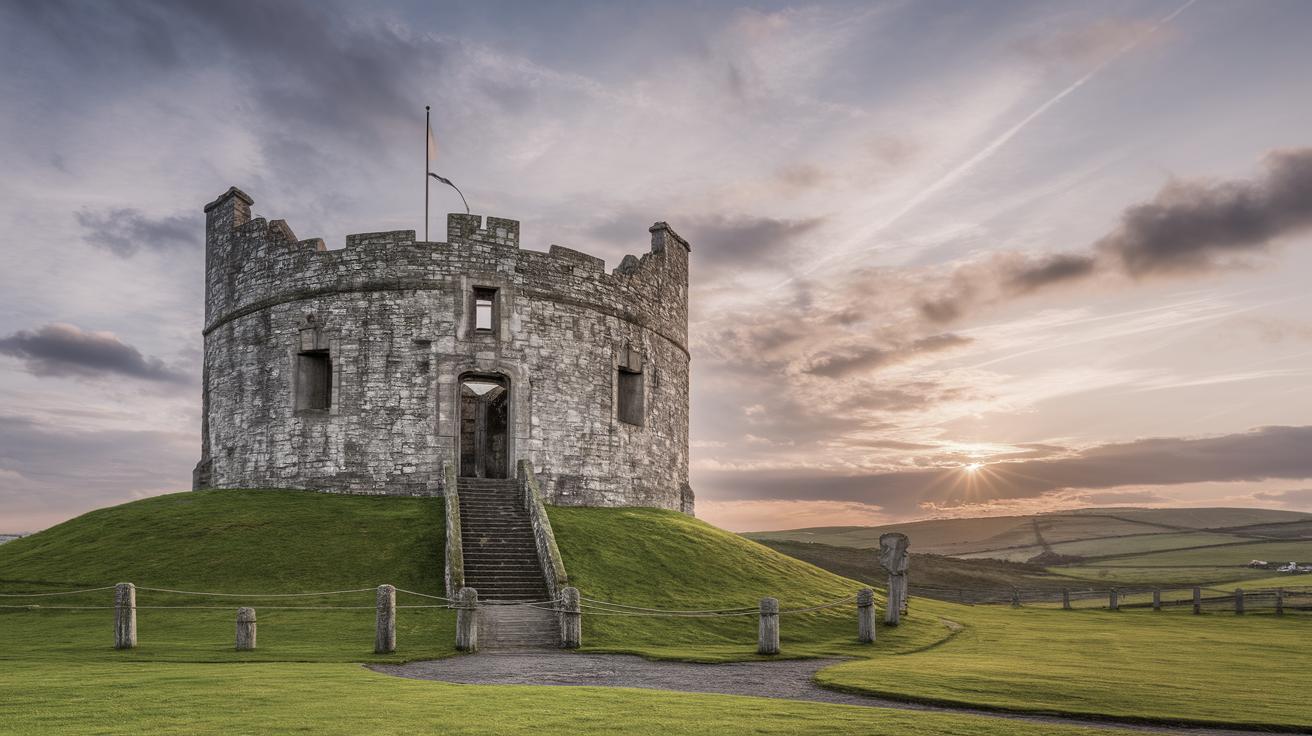
How to Responsibly Visit Archaeological Sites in Ireland
Traveling to archaeological sites in Ireland offers a window into the past, where the ancient landscape tells stories of historical events, cultures, and lives long passed. To fully appreciate these remarkable sites—ranging from Neolithic monuments to medieval ruins—travelers must offer the respect they deserve by visiting responsibly. This blog post provides essential tips to ensure that your visits are not only enjoyable but also considerate and sustainable. With advice on preparedness, etiquette, preservation, and exploration, you’ll discover how to make the most out of your journey while safeguarding these cultural treasures for future generations.
Be Prepared to Walk
Archaeological sites in Ireland often span vast areas of natural landscape, heralding the need for a fair bit of walking. Whether it’s a stroll across open fields to explore Neolithic tombs or a wander around ancient monastic settlements, walking is integral to the experience. This means visitors should be prepared to walk varying distances, often over uneven terrain that shifts with the Irish weather.
Many archaeological sites are situated in remote locations, offering not only solitude but also a rewarding sense of discovery for those willing to explore on foot. Being mentally prepared for these walks allows visitors to immerse themselves fully in the history and natural beauty of each site. Moreover, walking contributes to environmental preservation by reducing the potential impact on delicate landscapes that vehicles might cause.
Take Extra Clothing
Ireland is renowned for its unpredictable weather, where sun and rain can interchange rapidly, sometimes within the same hour. When visiting archaeological sites, you’ll need to account for potential changes in weather by packing extra clothing. Layering is key; it allows you to adjust to the temperature comfortably and stay dry and warm during your explorations.
Waterproof jackets, layers of breathable fabrics, and cozy accessories like hats and gloves protect against cold winds or unexpected storms. Additionally, storing clothing that can handle a range of temperatures enables you to focus on the awe-inspiring surroundings rather than any environmental discomforts. With the right attire, you’ll not only protect yourself from the elements but show respect for the sites by being a well-prepared guest.
Wear Suitable Footwear
When venturing to archaeological sites, footwear is your best friend in navigating the rewarding exploration ahead. At times, the landscapes can be rugged or wet, demanding shoes that provide both grip and comfort. Hiking boots or sturdy trail shoes are ideal for tackling uneven paths while giving support to your ankles on varying terrains.
Choosing the right footwear significantly enhances the quality of your experience by facilitating ease of movement across grass, stones, and sometimes, marshy areas. Plus, good footwear helps maintain safety and confidence during your visit, allowing you to focus entirely on the historical wonders without worry about slipping or foot discomfort.
Take a First-Aid Kit
While journeys to archaeological sites may not seem inherently risky, carrying a first-aid kit is a prudent precaution that prepares you for unexpected incidents. Whether it’s a simple scrape on a rocky pathway or a twisted ankle, having a basic kit containing bandages, antiseptic wipes, and pain relief can be invaluable.
Even when traveling in groups, a first-aid kit ensures everyone has quick access to medical supplies if needed. Preparation can make all the difference in tackling minor injuries promptly, ensuring that you remain focused and able to continue your exploration safely. Plus, it demonstrates a proactive approach in taking responsibility for your well-being as you uncover Ireland’s fascinating histories.
Take a Map and Compass
While modern technology plays a major role in navigation, traditional tools like maps and compasses should not be overlooked when visiting archaeological sites. Many locations can be remote and may lack strong GPS signal, making conventional navigation methods reliable and essential backup resources.
Understanding how to read a map and use a compass also offers deeper engagement with your surroundings, creating opportunities to learn more about the geographical context of each site. Not only will you be well-prepared for any deviation from planned routes, but you’ll gain a higher appreciation of the landscape’s connectivity to its ancient history.
Tell Someone Where You’re Going
Safety is paramount when exploring archaeological sites, especially those off the beaten path. Informing someone trusted about your planned route and expected return time ensures that your journey is monitored without interrupting your sense of adventure and independence.
Leaving contact details, an itinerary, and information about when you plan to check-in fosters peace of mind to those left behind. Should something occur, they can provide timely assistance, making this practice a responsible and effective method to ensure a safe return.
Consider Investing in a GPS
While maps and compasses have their own charm, a GPS device can offer additional navigation assistance for those less familiar with traditional methods. Modern GPS units often come pre-loaded with detailed maps and routing options that can guide you through even the most remote archaeological locations.
The advantage of a GPS is the possibility of accessing precise, real-time location data, which can be especially useful when traversing unfamiliar territories or correcting any navigational mistakes quickly. However, always remain cognizant of conserving battery life and carrying spare power sources to stay connected with your route from start to finish.
Stick to Designated Paths and Public Rights of Way
Archaeological sites are fragile environments that benefit from visitors who follow established guidelines, including sticking to marked paths and public rights of way. These paths are designed to minimize human impact on sensitive sites and ensure their preservation for future generations.
Veering off paths not only risk damage to these historic sites but can harm local wildlife and ecosystems. By respecting the designated boundaries and constraints, visitors take active roles in the preservation effort, ensuring that their archaeological encounters remain sustainable and sensitive to cultural legacies.
Photographing Monuments and Ruins
Capturing images of Ireland’s archaeological treasures can be a rewarding part of any trip; however, it must be done respectfully and considerately. Always adhere to local rules regarding photography, being mindful of restrictions that might be in place, such as no climbing on monuments or the use of drones.
Manual settings and natural light often create the most flattering compositions, enriching the texture and colors of the scene authentically. By photographing with respect, not only will you walk away with stunning memories, but you will also demonstrate care and understanding of the cultural and historical significance of the sites.
Don’t Be Afraid to Explore New Places
Ireland is brimming with archaeological sites that often extend beyond the more well-known attractions. Seeking out lesser-visited sites can offer a solitude and unique insight into the rich history that permeates throughout the country. Venturing to underexplored locations also distributes tourist pressure evenly, allowing more famous sites to remain preserved without overburden them with foot traffic.
Embrace the excitement of an undiscovered adventure by researching hidden gems and reaching spots that may not be marked heavily on traditional travel guides. These novel explorations often provide deeper understanding of Ireland’s past and the land that has witnessed centuries of change and stories untold.
Final Thoughts
Ireland’s abundance of archaeological sites provides a dynamic blend of adventure, learning, and respect for ancient histories. By taking simple, mindful steps in preparation and exploration, your visits will honor the preservation and significance of these extraordinary venues. Ultimately, responsible travel ensures the continued appreciation of Ireland’s historical landscapes for generations to come.
| Tip | Description |
|---|---|
| Be Prepared to Walk | Expect varying distances over natural landscapes to fully experience the sites. |
| Take Extra Clothing | Prepare for unpredictable Irish weather with layering for comfort. |
| Wear Suitable Footwear | Ensure safety and ease of movement with appropriate hiking boots or shoes. |
| Take a First-Aid Kit | Handle unexpected injuries promptly with necessary medical supplies. |
| Take a Map and Compass | Use traditional navigation tools as reliable backups. |
| Tell Someone Where You’re Going | Inform trusted individuals about your itinerary for safety. |
| Consider Investing in a GPS | Enhance navigation precision while exploring remote locations. |
| Stick to Designated Paths | Preserve sites by following marked paths and minimizing disturbance. |
| Photographing Monuments | Capture scenes respectfully and adhere to local photography guidelines. |
| Don’t Be Afraid to Explore New Places | Seek out less visited sites for unique historical insights. |
If you found this guide helpful in planning your archaeological adventures in Ireland, share this with fellow history enthusiasts and contribute to responsible travel practices! Spread the word and leave a comment below with your thoughts or additional tips.