Unveiling Ireland’s Historic Journey to Independence
Ireland’s struggle for independence is a rich tapestry of events and sites that have become emblematic of its journey towards becoming a sovereign nation. This blog post delves into the significant historical sites linked to the Irish quest for freedom. From the efforts for Home Rule to the tumultuous path leading to the Civil War, each epoch is characterized by monumental locations and pivotal moments that were instrumental in defining Ireland’s national identity. Explore the various stages of this historic saga, with insights into the Easter Rising, the role of the Irish Republican Army, the impact of the Black and Tans, and more—all culminating in the signing of the Anglo-Irish Treaty and the commencement of the Irish Civil War.
Pursuit of Home Rule
The pursuit of Home Rule for Ireland describes a lengthy political and cultural journey aimed at securing autonomy from British governance. The movement was predominantly championed in the late 19th and early 20th centuries, seeking a national parliament for Ireland. At the forefront of this movement was Charles Stewart Parnell, often remembered at the site of his former residence in Avondale, County Wicklow. Parnell’s work was critical in galvanizing national sentiment for self-governance.
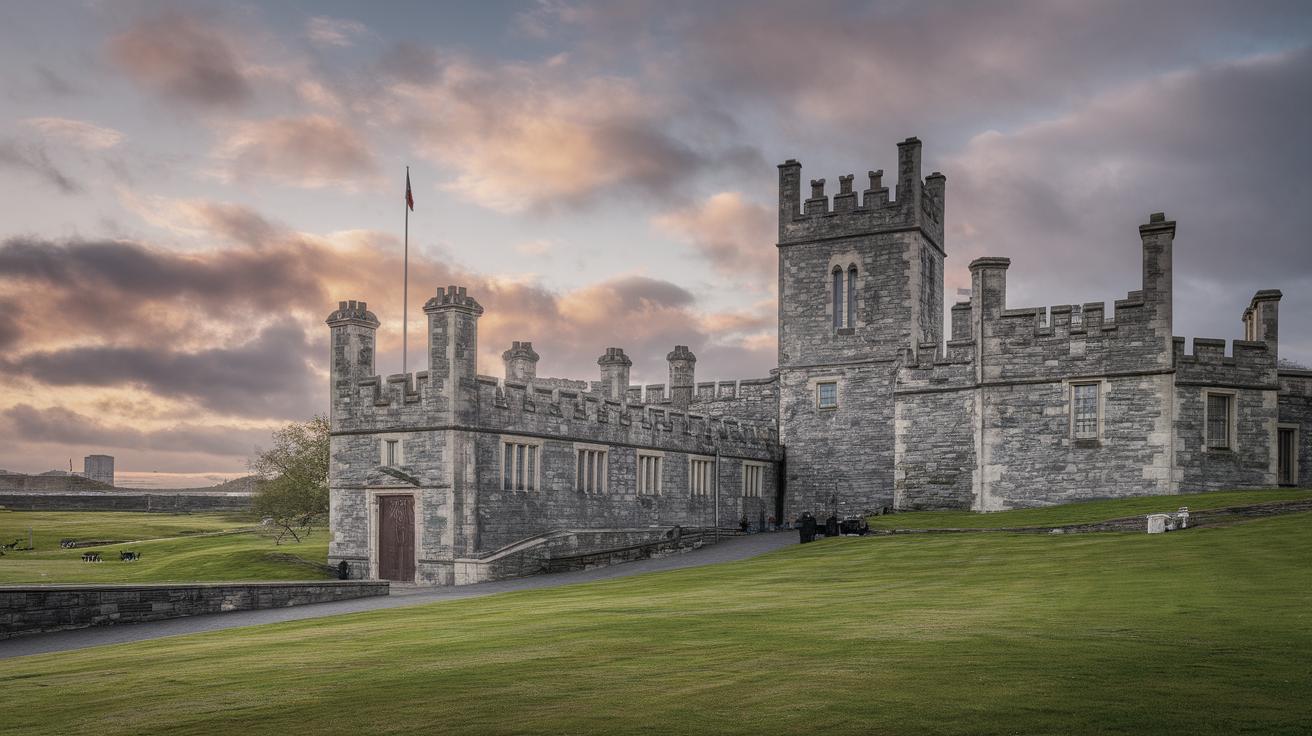
Dublin Castle, a symbol of British authority in Ireland, also witnessed significant Home Rule activities. It was here that many meetings and political plottings occurred, involving key figures of the Irish Parliamentary Party. These historical sites, now open for public viewing, continue to serve as reminders of the contentious and arduous fight for legislative independence, underscoring the tensions that preceded the significant uprisings of the 20th century.
The Easter Rising
The Easter Rising of 1916 is one of the most pivotal events in the struggle for Irish independence. Few sites capture the essence of this rebellion like the General Post Office (GPO) on O’Connell Street, Dublin. It served as the headquarters for the leaders of the rising and bore witness to the declaration of the Irish Republic by Patrick Pearse outside its walls. As the revolt unfolded, the GPO became the epicenter of the ensuing battles and was largely destroyed, only to be later rebuilt as a beacon of Irish autonomy.
Alongside the GPO, Kilmainham Gaol stands as a poignant reminder of the Rising’s aftermath. Many of the rebellion’s leaders, including the likes of Pearse and James Connolly, were executed within its confines. This grim yet historically rich site has become an essential part of Dublin’s commitment to remembering its past, drawing thousands annually to retell the stories of courage and sacrifice that shaped a nation.
The 1918 Election
The 1918 general election marked a seismic shift in Irish politics, as it saw Sinn Féin achieve a resounding victory and pledge to establish an independent Irish parliament. This election resulted in the creation of the First Dáil Éireann, convened at the Mansion House in Dublin. This location became symbolic of the new dawn in Irish self-governance, as members gathered to ratify the Irish Declaration of Independence.
Nearby sites such as the Rotunda Hospital, where the first public sitting of the Dáil was planned, also hold historical significance. These places highlight the transitional moment from theoretical aspirations of independence to practical steps toward achieving it—a transformation that fundamentally altered Ireland’s political landscape and paved the way for the subsequent War of Independence.
The Irish Republican Army
The Irish Republican Army (IRA) played a central role in the country’s fight against British rule during the War of Independence from 1919 to 1921. Their activities were strategic, characterized by guerrilla warfare that encompassed notable engagements across the country. Sites like the Soloheadbeg Ambush site in County Tipperary, where the war unofficially began, are of particular historical interest.
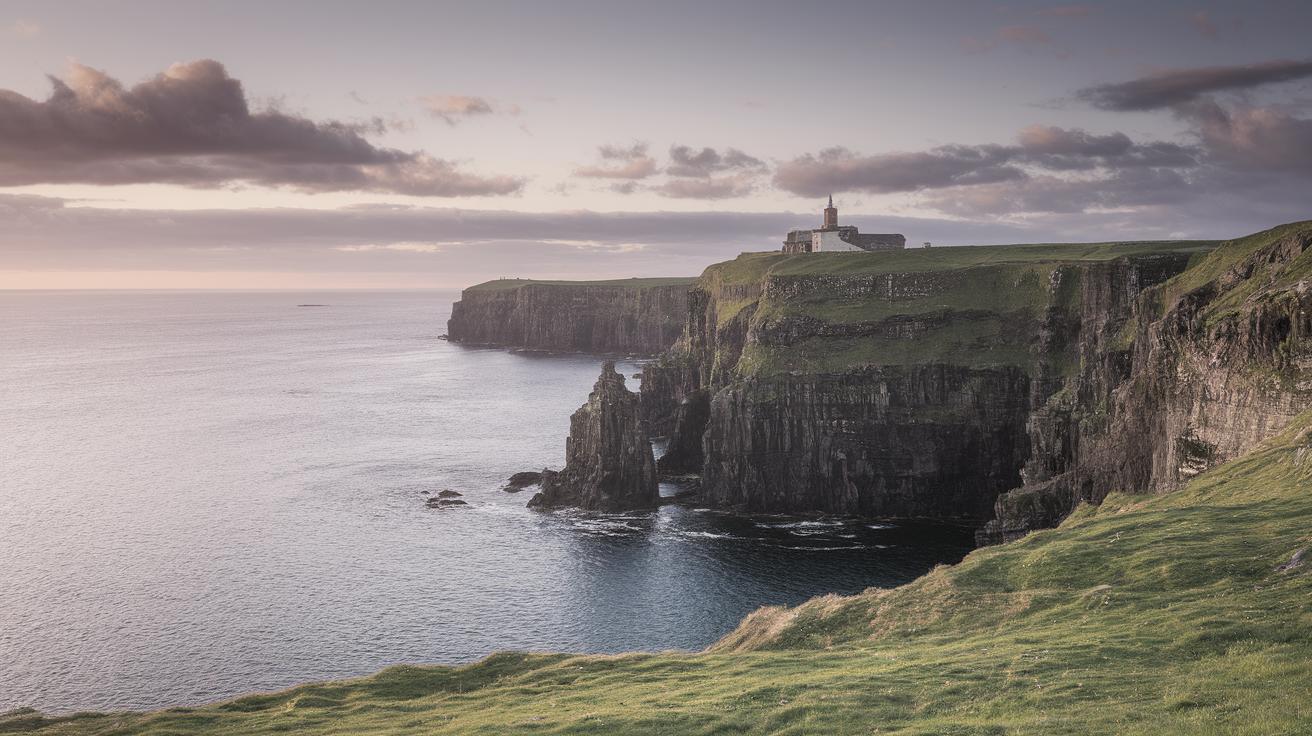
Many of Ireland’s rural landscapes, like Loop Head in County Clare, provide a scenic yet somber connection to the events where IRA volunteers where engaging in skirmishes against Crown forces. The strategic ingenuity of the IRA during this period underscores the commitment of countless individuals to the cause of independence, an effort remembered through memorials and historical tours throughout these regions.
Black and Tans
The arrival of the Black and Tans in Ireland in 1920 marked a period of heightened violence and unrest. These forces, comprising mainly British World War I veterans, were deployed to suppress the independence movement, becoming known for their brutal reprisals. Sites like Croke Park, where a massacre occurred during a Gaelic football match in 1920, highlight the tragic intersections of sport and politics.
The factors of resistance during this era are often remembered through poignant memorials across Ireland. In particular, towns such as Kilmichael in County Cork, the site of a major IRA ambush against the Black and Tans, are acknowledged as places where tenacity and tactical resistance significantly impacted the British campaign to maintain control.
Bloody Sunday
Bloody Sunday, occurring on November 21, 1920, was a dark chapter in Irish history where coordinated assassinations and reprisals resulted in significant bloodshed. Dublin’s Croke Park is synonymous with this day, as British forces opened fire upon the crowd during a Gaelic football match, killing 14 civilians.
The day’s events also saw the operation led by Michael Collins to eliminate British intelligence agents in the morning before the tragic shootings at Croke Park. These coordinated strikes by the IRA and violent responses by the Crown forces reflect the intense and uncompromising nature of the conflict. The annual commemoration events, along with historical records, keep the memory of Bloody Sunday alive in Irish consciousness.
Death toll and truce
The Irish War of Independence saw significant loss of life, reflecting the high stakes of the struggle for self-governance. With an estimated 2,300 fatalities, which included civilians, IRA members, and British forces, the human cost of the conflict was considerable. Memorials such as the Garden of Remembrance in Dublin honor these sacrifices and remain key sites for reflection and remembrance.
The signing of the Truce in July 1921 brought an end to the hostilities, providing a temporary pause in the violence and setting the stage for negotiations. Sites associated with the truce, like the Mansion House, where truce talks were conducted, underscore the diplomatic efforts required to move toward a peaceful resolution. These agreements marked a critical turning point in Ireland’s pull away from British rule.
The Anglo-Irish Treaty
The Anglo-Irish Treaty, signed on December 6, 1921, was a milestone in the Irish fight for freedom, concluding the War of Independence and establishing the Irish Free State. The treaty negotiations took place in London, with key meetings held at historic sites such as Downing Street and the Lancaster House. These locations are integral to understanding the complex negotiations that shaped modern Ireland.
Back in Dublin, passages within the newly constructed State Apartments at Dublin Castle saw the debates and divisions over the treaty that led to a split in Irish politics. While achieving essential strides toward independence, the treaty also sowed the seeds for the forthcoming civil war, deeply dividing nationalist factions over the extent of freedom achieved versus desired.
The path to the Irish Civil War
The contentious responses to the Anglo-Irish Treaty ultimately paved the way for the Irish Civil War from 1922 to 1923. This internal conflict was marked by deep political and personal schisms. Sites associated with the civil war such as the Four Courts in Dublin remain emblematic of the early battles of this tragic conflict when anti-Treaty forces occupied and the ensuing artillery shelling furthered divisions.
The civil war’s events and outcomes are vividly recalled in places like Beal na Bláth in County Cork, the site of Michael Collins’ assassination, an event that profoundly impacted the future trajectory of the Irish state. Today, these sites host tours and educational programs that offer nuanced insights into a painful yet pivotal chapter in the Irish independence narrative.
The Next Steps
| Historical Event | Significant Sites | Key Aspects |
|---|---|---|
| Pursuit of Home Rule | Avondale, Dublin Castle | Political movement for Irish autonomy |
| The Easter Rising | General Post Office, Kilmainham Gaol | 1916 rebellion and execution of leaders |
| The 1918 Election | Mansion House, Rotunda Hospital | Sinn Féin victory; First Dáil convened |
| The Irish Republican Army | Soloheadbeg, Loop Head | Guerrilla warfare against British forces |
| Black and Tans | Croke Park, Kilmichael | British forces’ reprisals and Irish resistance |
| Bloody Sunday | Croke Park, Dublin | Assassinations and civilian massacre |
| Death toll and truce | Garden of Remembrance, Mansion House | Conflict toll and temporary ceasefire |
| The Anglo-Irish Treaty | Downing Street, Dublin Castle | Ends independence war; leads to civil war |
| The path to the Irish Civil War | Four Courts, Beal na Bláth | Internal conflict following the treaty |