Your Guide to See Wildlife in Ireland
Welcome to an enchanting journey through the Emerald Isle’s diverse wildlife experiences. From lush national parks to rugged coastlines, Ireland offers a habitat for a kaleidoscope of creatures. This post will explore the fascinating mammals, birds, and marine life you can encounter. We’ll guide you through the best locales to appreciate these wonders, including the iconic Killarney National Park and the awe-inspiring Skellig Islands. Plus, you’ll discover the optimal seasons for wildlife observation, ensuring you have the best chance to see nature’s displays. As always, responsible interactions with wildlife are paramount. Read on to embark on an Irish wildlife adventure and prepare for unforgettable encounters with some of Ireland’s most remarkable inhabitants.
What Animals Can You See in Ireland?
Mammals
Ireland is host to a captivating range of mammalian life, including both native and introduced species. The island’s lush landscapes are home to the majestic red deer, Ireland’s largest land mammal, often seen in the expansive Killarney National Park. You’ll find the sika deer in the same habitats, a species introduced from Japan in the 19th century.
Additionally, Ireland’s smaller mammals are no less intriguing. The adorable Irish hare, with its distinctive long ears, is a treat to spot in the countryside. For those visiting coastal areas, keep an eye out for the playful common and grey seals, often found lounging on the shores.
Birds
Ireland is a birder’s paradise, with a diverse array of avian species across different habitats. The country’s remote islands and windswept coastal areas are home to spectacular seabird colonies. The puffin, with its colorful beak, is an iconic sight on islands like the Skelligs and Saltee.
Inland, places like the Burren present opportunities to encounter birds such as the distinctive chough and peregrine falcon. The various migratory patterns also mean that bird watchers may catch sight of wintering species like the white-fronted goose or the whooper swan.
Marine Life
Ireland’s waters are teeming with marine life, offering a window into a vibrant underwater world. Off the coast, you might glimpse bottlenose dolphins and harbour porpoises, partaking in playful acrobatics. The annual migrations of larger cetaceans like the majestic humpback and minke whales present thrilling observational opportunities, most commonly seen off the southern shores.
Exploring tide pools along the rocky coastlines can reveal a plethora of marine organisms, including sea anemones and curious crustaceans. Among the various residents, leatherback turtles are rare but notable visitors, drawn to Irish waters in pursuit of jellyfish.
Best Places to See Wildlife in Ireland
Killarney National Park
Killarney National Park, a UNESCO Biosphere Reserve, stands out as a premier location for wildlife observation. Nestled in County Kerry, this park spans over 102 square kilometers, incorporating woodlands, lakes, and mountains. The park is renowned for its red deer population, which roams freely through the park’s extensive woodlands.
A boat trip on the Lakes of Killarney can offer sightings of otters and various waterfowl. The park’s Morrisons Island area is perfect for spotting the elusive pine marten, while the dense forests provide habitat for badgers and foxes.
The Burren, County Clare
The Burren, known for its lunar-like landscapes, is a unique ecosystem home to a fascinating blend of flora and fauna. Its karst limestone pavements are interspersed with rich wildflower diversity, supporting a wide range of insects and in turn, birds.
The area is particularly notable for its populations of birds of prey, including kestrels and the aforementioned peregrine falcon. The limestone terraces present a great opportunity to see the Irish hare and the stoat, particularly active during dusk.
Saltee Islands, County Wexford
The Saltee Islands are a crucial sanctuary for seabirds, located off the coast of County Wexford. The islands are a primary breeding ground for puffins, gannets, and razorbills, drawing ornithologists from around the globe.
Accessibility is straightforward via short boat trips from the mainland, with guided tours often available, providing expert insights into the island’s avian residents. Beyond birds, the islands also offer sightings of seals basking on the rocky outcrops.
Glenveagh National Park, County Donegal
In the heart of County Donegal, Glenveagh National Park boasts a rugged landscape of mountains and lakes that serve as a natural habitat for the golden eagle. The park has successfully reintroduced this majestic bird, making it a prime location for eagle watching.
The park’s wooded regions are habitats for red deer and a variety of small mammals. Glenveagh’s pristine waters are also frequented by otters, while the uplands provide perfect conditions for observing Ireland’s famed red grouse and ring ouzel.
The Skellig Islands, County Kerry
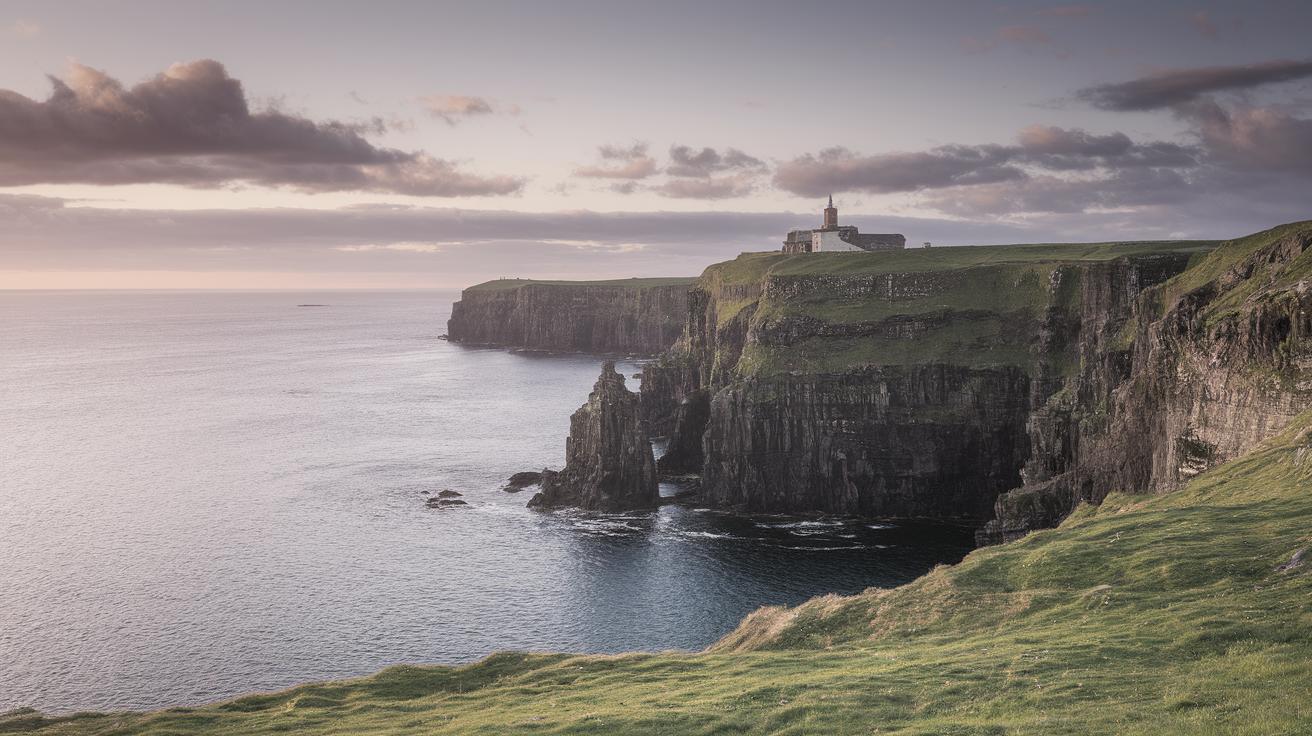
Rising dramatically from the Atlantic Ocean, the Skellig Islands are an evocative haven for wildlife enthusiasts. These islands are most famous for their large colonies of puffins and gannets, with the UNESCO World Heritage site, Skellig Michael, offering unparalleled birdwatching experiences.
Accessed via boat tours operating from the Ring of Kerry, these islands also provide sightings of seals and the opportunity to observe dolphins on the journey over. Beyond birds, the rugged islands’ historical significance adds a layer of cultural richness to the wildlife experience.
West Cork & Dingle Peninsula
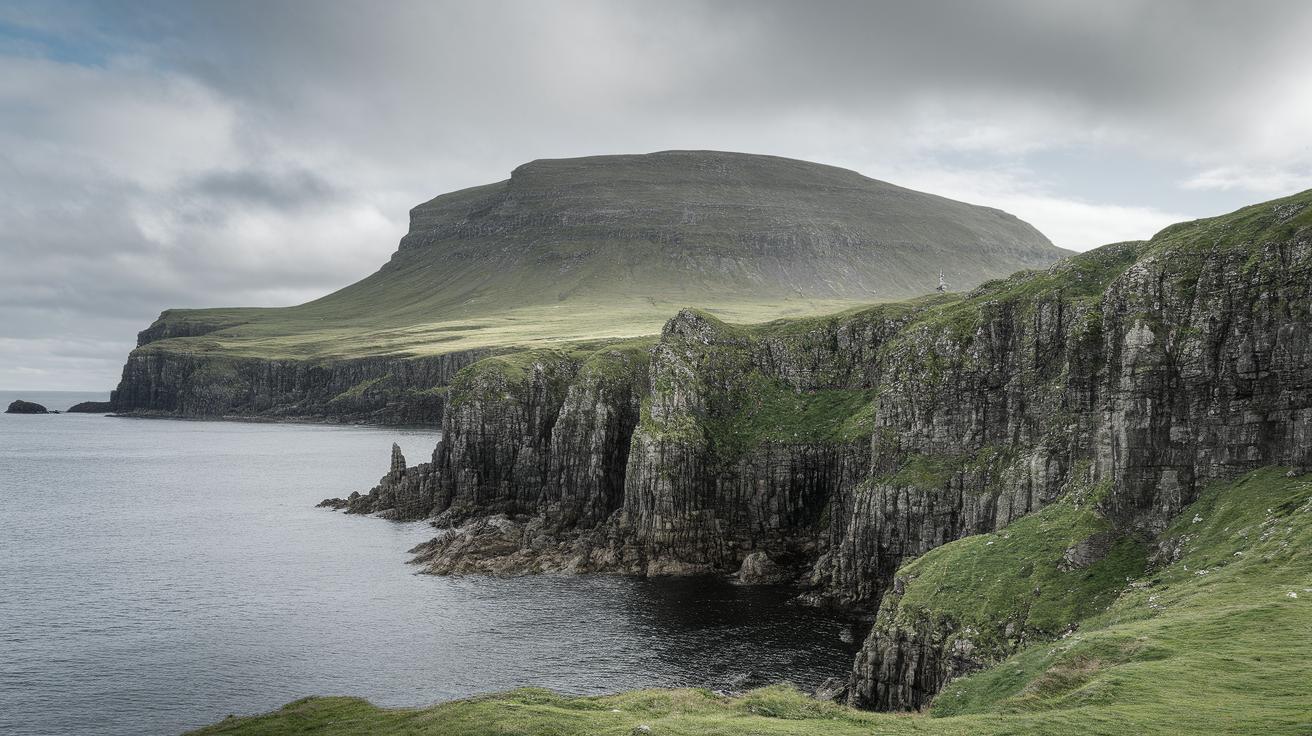
The West Cork and Dingle Peninsula areas combine stunning coastal scenery with prime marine life observation spots. Renowned for whale watching tours, these waters attract various cetaceans, including the breathtaking humpback whale.
The cliffs and headlands are also key vantage points for watching migratory birds, while the beaches often host seals and an abundance of marine invertebrates. Exploring these areas, you’ll encounter captivating vistas and diverse habitats, all teeming with wildlife.
Best Time to Visit for Wildlife Viewing
January–February
The beginning of the year is a quieter time for wildlife activity, but dedicated observers will find rewards. The coastal areas remain active with migrating birds such as brent geese. Inland, the deciduous trees’ bare branches make it easier to spot red squirrels and other forest residents.
Seals breed along the coast, and with fewer tourists, it can feel like you have the wild places to yourself. This period is also ideal for those interested in cetacean spotting as winter sea conditions bring whales nearer to shore.
March–April
The arrival of spring breathes new life across Ireland’s ecosystems. The country’s gardens and pathways burst into color, attracting insects and the birds that follow them. This is an excellent time to visit the Burren, where wildflowers and baby animals herald the season’s change.
You’re likely to witness plenty of courting and nesting behaviors among birds, making it an ideal season for photography and observation. As the weather turns milder, mammals such as the Irish hare and pine marten become more visible.
June–July
Early summer signals the height of bird and marine life activity. Coastal regions teem with nesting seabirds, and whale watching becomes increasingly popular as different species migrate through Irish waters. The Saltee Islands, in particular, are bustling with birdlife.
Inland, young deer and other mammals explore their new surroundings, offering engaging sightings. With the long, sunlit days, there’s more time to spend outdoors, soaking in all the natural marvels the Irish landscape has to offer.
September–October
As autumn approaches, Ireland’s landscapes transform with hues of gold and auburn, offering a precursor to the busy wildlife period. Flocks of migrating birds oversee the countryside as they begin their southward journeys, providing opportunities for bird watchers.
The red deer rut takes center stage in places like Killarney National Park, where the sounds of rivalry echo through the valleys. Seals return to breed on Ireland’s coasts, while marine life tours continue to take advantage of the changing seasons.
How to Experience Wildlife Responsibly
Interacting with Ireland’s wildlife requires mindful and respectful behavior. It’s essential to maintain a safe distance from all animals, using binoculars or spotting scopes to observe without disturbance. Trespassing areas, particularly during breeding seasons, should be avoided to prevent disruption.
Follow marked paths in protected areas and adhere to the Leave No Trace principles to minimize human impact on natural habitats. If engaging in activities such as whale watching, opting for operators with sustainable practices ensures a low environmental footprint.
Educating yourself about local species and their behaviors enhances the experience and encourages responsible tourism. Supporting conservation initiatives, whether through volunteering or donations, further sustains the habitats that support Ireland’s rich biodiversity.
Future Prospects
| Category | Description |
|---|---|
| Mammals | Includes red deer, Irish hare, and seals. Visit national parks for the best sightings. |
| Birds | Puffins, raptors, and migratory species thrive in coastal and inland regions. |
| Marine life | Spot dolphins, whales, and turtles in the nutrient-rich Atlantic waters. |
| Best Wildlife Venues | Explore Killarney, The Burren, Saltee Islands, Glenveagh, Skellig Islands, and West Cork. |
| Optimal Visiting Times | Wildlife thrives year-round, with peak activity in spring and summer. |
| Responsible Observation | Emphasizes distance, conservation, and environmental awareness. |