Discover the Richness of Ireland’s Wildlife
Immerse yourself in the untamed beauty of Ireland, a land abundant with opportunities to connect with wildlife. From majestic mammals and vibrant birdlife to rich marine ecosystems, the Emerald Isle is a haven for nature enthusiasts. This guide will introduce you to the diverse species you can encounter across Ireland’s landscapes and coastline. Discover the best locations for wildlife watching, the optimal seasons for viewing, and tips for responsible expedition. Whether you’re an avid bird watcher or a casual explorer, Ireland promises unforgettable encounters with nature.
Your Guide to See Wildlife in Ireland
Exploring wildlife in Ireland offers a unique glimpse into the country’s natural heritage. With its lush green landscapes, dramatic cliffs, and extensive coastline, Ireland provides a sanctuary for a myriad of species. From the endangered red deer to the playful seals along the coast, you’ll find an impressive variety of wildlife across the island.
Wildlife enthusiasts can enjoy diverse experiences from hiking through national parks to taking boat trips along the coast. Whether you are venturing into a rugged landscape or observing from a safe distance, Ireland’s abundant natural settings cater to all levels of adventure. This guide is designed to help you navigate the various wildlife opportunities available, ensuring a memorable Irish experience.
What Animals Can You See in Ireland?
Mammals
Ireland’s mammalian inhabitants are a reflection of the country’s varied environments. One of the most iconic mammals to observe is the red deer, particularly pronounced in regions like Killarney National Park. These deer, the only native species to Ireland, are majestic symbols of the wild landscape. Also notable are the Irish hares, renowned for their speed and distinctive longer hind legs which can be spotted across the countryside.
In addition, keep an eye out for the elusive pine marten, badgers, and foxes that inhabit the forests and rural landscapes of the island. In coastal areas, seals — both grey and common varieties — can be seen lounging on rocks or playfully swimming in the waters. These mammals highlight the rich wildlife tapestry experienced across the island, each offering unique opportunities for observation and photography.
Birds
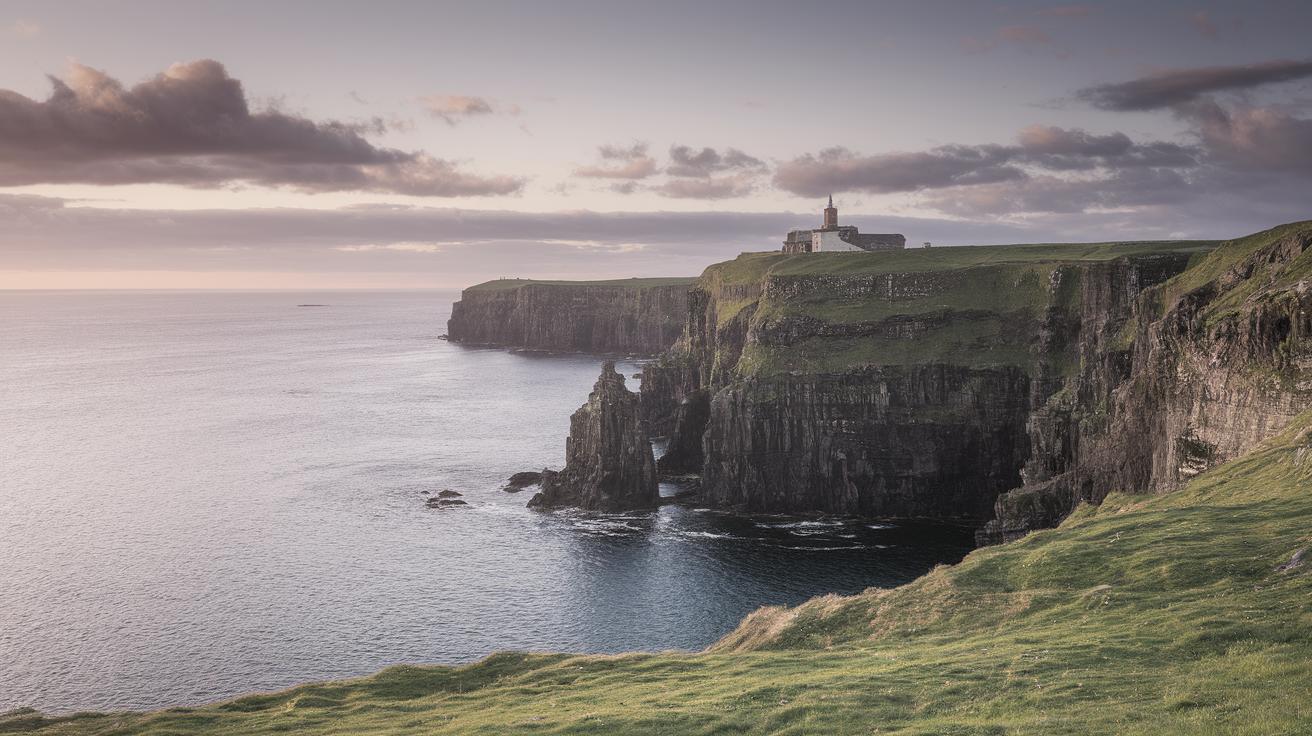
For bird watchers, Ireland is a paradise teeming with avian life. The puffin, with its colorful beak and comical waddling, is a star attraction, particularly on the Skellig Islands and Saltee Islands. Equally captivating are the thousands of seabirds such as gannets, guillemots, and razorbills that nest on cliffs across the island.
Lakes and wetlands are home to graceful mute swans and elegant herons, while sparrowhawks and kestrels weave through the skies above forested areas. Ireland’s bird species are as varied as its landscapes, with migration patterns bringing an ever-changing dynamic to birdwatching experiences. For serious ornithologists and casual bird lovers alike, Ireland presents a stage for remarkable avian spectacles.
Marine Life
The waters around Ireland teem with marine life, offering visitors thrilling excursions alongside the island’s dramatic coastline. Whale watching has become increasingly popular, especially off the coast of West Cork, with sightings of minke whales, humpbacks, and even the occasional fin whale. Pods of dolphins are frequently spotted throughout Irish waters, engaging in playful displays much to the delight of onlookers.
Smaller marine creatures like starfish and crabs are abundant in rock pools, particularly along the Wild Atlantic Way. For a truly immersive experience, consider a guided marine wildlife tour, where you can learn about the ecology of the coastline and appreciate these creatures in their natural habitat. Ireland’s coastal waters offer a dynamic and engaging environment for marine wildlife enthusiasts.
Best Places to See Wildlife in Ireland
Killarney National Park
Home to Ireland’s only native red deer, Killarney National Park is a haven for wildlife enthusiasts. This expansive park in County Kerry showcases some of Ireland’s most spectacular scenery, with a mix of mountains, lakes, and forests providing diverse habitats. Bird watchers will delight in the park’s avian population, from the tiny goldcrest to the majestic white-tailed eagle.
Walking trails and guided tours are abundant, providing visitors with numerous opportunities to explore the varied habitats. Killarney is also known for its initiatives in conservation, making it an exemplary location for those interested in seeing successful nature preservation efforts in action.
The Burren, County Clare
The Burren is renowned for its unique karst landscape, a vast expanse of limestone pavements interspersed with diverse flora and fauna. This region supports a remarkable array of wildlife, including rare species of butterflies and orchids. Birdwatchers can look out for peregrine falcons that patrol the limestone cliffs.
With its network of easy-to-traverse paths, the Burren is an ideal location for hiking amid stunning natural scenery. The interplay of ancient geological structures and diverse habitats creates an unmatched environment for those keen on exploring Ireland’s wildlife.
Saltee Islands, County Wexford
The Saltee Islands are a birdwatcher’s dream come true, offering some of the best birdwatching opportunities in Ireland. Located off the coast of County Wexford, these islands are home to thriving seabird colonies. Puffins, gannets, and fulmars are just a few of the species that nest here during the breeding season.
Accessing the Saltee Islands requires a short boat trip, adding a sense of adventure to your wildlife watching experience. The rich bird life combined with the breathtaking maritime backdrop makes this one of the standout natural destinations for avian exploration.
Glenveagh National Park, County Donegal
Glenveagh National Park spans over 16,000 hectares and is known for its dramatic landscapes and rich biodiversity. The park is a stronghold for the Irish red deer population, and efforts to reintroduce the golden eagle have also been met with success, delighting bird enthusiasts.
With rugged hills, pristine lakes, and a pristine coastline, Glenveagh provides a comprehensive glimpse into Ireland’s rugged natural beauty. Well-marked trails and guided walks ensure visitors can fully engage with the park’s offerings, whether it’s hiking with elevated views or learning about local flora and fauna.
The Skellig Islands, County Kerry
The Skellig Islands are known globally both for their wild beauty and cultural heritage. Skellig Michael features a significant monastic site, while also serving as a crucial nesting ground for puffins and other seabirds. The dramatic cliffs and remote location offer incredible birdwatching opportunities.
Boat tours are available for those eager to witness the natural spectacle, allowing a closer encounter with the islands’ wildlife and awe-inspiring landscapes. Beyond bird watching, visitors often spot seals and dolphins frolicking in the surrounding waters, offering a varied and thrilling wildlife experience.
West Cork & Dingle Peninsula
The coastline of West Cork and the Dingle Peninsula is an area rich with marine life. Whale watching tours are popular, with high success rates for seeing magnificent creatures like humpback and minke whales. The area’s rocky outcrops and sea cliffs also make it an ideal location for spotting rare bird species like the chough.
Inland, the region is equally vibrant with wildlife. The Dingle Peninsula’s landscapes support a mix of mammals, including red deer and foxes. Combining oceanic exploration and hiking land trails, this region offers a multifaceted approach to wildlife watching.
Best Time to Visit for Wildlife Viewing
January–February
Winter is a quieter time for wildlife viewing, but it brings unique opportunities, such as spotting the elusive barn owl and other nocturnal predators against a sometimes snow-dappled landscape. The lack of foliage also makes it easier to spot deer and other forest animals.
For bird enthusiasts, this period is excellent for observing wintering waterfowl in lakes and coastal wetlands. It’s a great time to witness the resilience of nature, as Ireland’s wildlife adapts to the colder months.
March–April
Spring signals the awakening of nature, with numerous wildlife spectacles unfolding. Migratory birds return, with woodlands and hedgerows bustling with songbirds preparing for the breeding season. This is also an excellent time to witness the colorful displays of Ireland’s blooming flora, which provide crucial resources for returning insect populations, like butterflies and bees.
Additionally, the lambing season commences in agricultural regions, a charming sight that illustrates the cyclical renewal of wildlife in rural Ireland. The increase in daylight hours makes wildlife watching more accessible throughout the day.
June–July
Summer is peak wildlife watching season in Ireland. With warmer weather and longer days, all regions burst into life. Coastal areas offer the chance to see whales and dolphins, while bird colonies are at their most active, particularly on islands like the Skelligs and the Saltees.
Inland regions like the Burren and Killarney are humming with mammals and insect life, and this is also the peak blooming period for many plants, offering splendid displays of color. Guided tours and events are more frequent, enhancing the wildlife watching experience.
September–October
Autumn is another exciting time for wildlife in Ireland as migration patterns create dynamic birdwatching opportunities. Wetlands become gathering points for birds heading south, and the coastal areas teem with seabirds and marine creatures capitalizing on the changing seasons.
In the forests, the annual deer rut occurs, providing a chance to witness rutting noises and behaviors as males compete for mates. The crisp, clear autumn weather and changing leaf colors create picturesque backdrops for wildlife viewing adventures.
How to Experience Wildlife Responsibly
When engaging with Ireland’s wildlife, responsible behavior ensures the preservation of natural habitats and species for future generations. Always adhere to local guidelines and national park rules, maintaining respectful distances from animals to avoid stress or disturbance.
Opt for environmentally conscious tour operators that emphasize sustainability and conservation. Target low-impact excursions, such as guided hikes that promote education and understanding of local ecosystems. Engage with local wildlife organizations to learn more about current conservation efforts and how you can contribute positively during your visit.
Ultimately, embodying a mindful approach to wildlife watching not only enhances your personal experience but also helps safeguard Ireland’s rich natural heritage. By opting to encounter wildlife responsibly, travelers can leave a light footprint on the diverse environments they cherish.
Next Steps for Your Wildlife Adventure
| Aspect | Summary |
|---|---|
| Main Wildlife | Mammals like red deer, playful seals; birds such as puffins, eagles; marine life includes dolphins, whales. |
| Top Locations | Killarney, The Burren, Saltee Islands, Glenveagh, Skelligs, West Cork & Dingle. |
| Best Times | Jan-Feb for winter magic, March-April for spring bloom, June-July for peak activity, Sept-Oct for migration drama. |
| Responsible Experience | Adhere to guidelines, choose sustainable tours, engage with conservation efforts. |