Benefits of Eco-friendly Tourism in Ireland
Eco-friendly tourism is becoming an increasingly important aspect of traveling, particularly in environmentally conscious countries like Ireland. Visitors are drawn not only to Ireland’s rich cultural heritage but also to its stunning natural landscapes, leading to a more sustainable and enriching travel experience. This blog post delves into various facets of eco-friendly tourism in Ireland, discussing its importance, practical aspects like waste reduction, and the benefit of consuming locally. Additionally, it highlights several eco-friendly destinations across Ireland such as Killarney National Park, the Seal Rescue Association, and the Cliffs of Moher, to name a few. Join us as we explore how each of these elements contributes to preserving Ireland’s natural beauty and promoting sustainable tourism.
The importance of ecotourism
Ecotourism lies at the heart of an environmentally responsible approach to tourism. This form of travel emphasizes the importance of preserving natural environments while reducing the negative impacts of mass tourism. In Ireland, where lush landscapes and biodiversity abound, promoting ecotourism is crucial to maintaining these pristine conditions for future generations.
By engaging in ecotourism, travelers contribute to the conservation of natural resources and wildlife habitats. The economic incentives attached to this form of tourism also encourage local communities and businesses to cherish and protect their local environments. Ultimately, ecotourism in Ireland fosters an appreciation for the country’s unique ecosystems, while simultaneously aiding in their preservation.
For an ever-green Ireland – Leave No Trace
One of the foundational principles of eco-friendly tourism is the Leave No Trace ethos. This philosophy is about maintaining the sanctity of nature by ensuring that visitors do not leave a negative impact on the environment. In Ireland, tourists are encouraged to adhere to this principle by respecting wildlife, staying on designated paths, and properly disposing of waste.
Practicing Leave No Trace not only conserves Ireland’s landscapes but also enhances the visitor experience by preserving the natural beauty. By being mindful of their ecological footprint, travelers can help keep Ireland green and thriving, ensuring that its verdant fields and majestic cliffs continue to captivate for years to come.
Reduce quantities and reduce waste
Eco-friendly tourism is incomplete without a strong focus on waste reduction and management. Ireland is renowned for its clean, green image, and reducing waste plays a significant role in maintaining this reputation. Tourists can contribute by adopting simple habits: using reusable water bottles, avoiding single-use plastics, and recycling wherever possible.
Local businesses are also stepping up by implementing more sustainable practices such as reducing packaging and adopting green technologies. These efforts collectively help to minimize waste and pollution, making a significant positive impact on the environment. Travelers can support these endeavors by choosing eco-certified accommodations and tours, thereby encouraging further sustainable development.
Consume local
Consuming local products and services is another cornerstone of eco-friendly tourism. By choosing locally sourced food and goods, visitors not only help reduce carbon emissions associated with transportation but also support Irish farmers and artisans. This practice creates a positive feedback loop that benefits both the environment and the local economy.
From enjoying farm-to-table meals to purchasing handmade crafts, there are numerous ways tourists can engage with and support local communities. This connection with local life enhances the cultural experience of traveling in Ireland, providing a more authentic and fulfilling journey.
1. Killarney National Park
Killarney National Park is a prime example of eco-friendly tourism in Ireland. Spanning over 102 square kilometers, it offers a range of habitats including woodlands, lakes, and mountains. The park is home to Ireland’s only herd of native red deer, showcasing the rich biodiversity supported by these well-preserved ecosystems.
Visitors to Killarney National Park can partake in various low-impact activities such as hiking and cycling, all while adhering to Leave No Trace principles. The park’s commitment to conservation and sustainable practices makes it a model for eco-friendly tourism in Ireland.
2. The Seal Rescue Association
The Seal Rescue Association plays a vital role in conserving marine life on the Irish coast. This volunteer-driven organization focuses on rescuing and rehabilitating injured or orphaned seals, an effort that underscores the importance of eco-friendly tourism.
Travelers can visit and support the Seal Rescue Association, learning about their conservation efforts and even participating in volunteer opportunities. This hands-on involvement provides insight into the challenges faced by marine wildlife, fostering a deeper appreciation for Ireland’s natural marine habitats.
3. Wicklow Mountains National Park
The Wicklow Mountains National Park offers a pristine landscape of upland heaths, peatlands, and diverse wildlife. As Ireland’s largest national park, it embodies the principles of ecotourism by inviting visitors to explore its natural beauty responsibly.
Efforts to preserve this park include habitat restoration and species monitoring, initiatives supported primarily through eco-tourism revenue. Adventure seekers can enjoy activities like hiking and orienteering, all while supporting the park’s sustainable initiatives.
4. Cliffs of Moher / Burren National Park
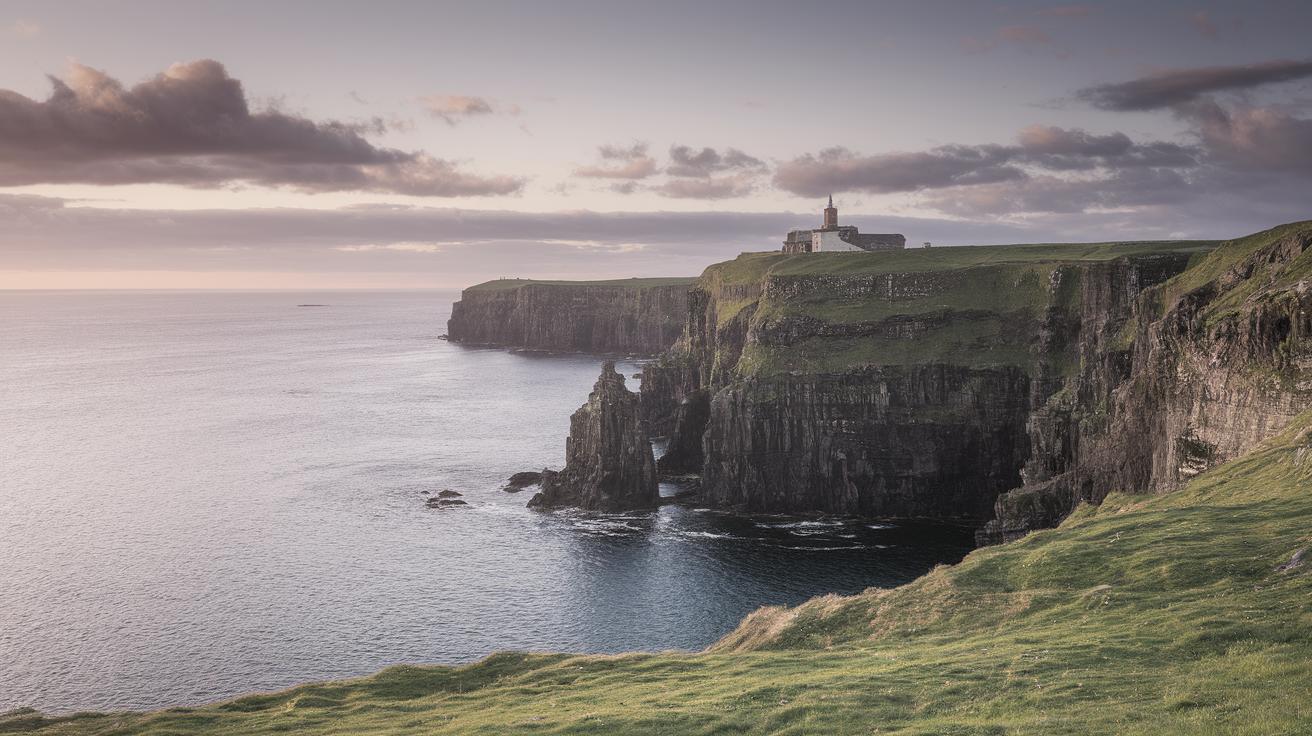
The Cliffs of Moher, part of the Burren and Cliffs of Moher UNESCO Global Geopark, draw millions of visitors annually, yet remain committed to eco-friendly tourism practices. With their breathtaking views and unique geological features, they exemplify the harmonious balance between tourism and environmental stewardship.
Efforts at the Cliffs of Moher include educating visitors about local ecology and implementing measures to manage the environmental impact of tourism. Meanwhile, the nearby Burren National Park offers a fragile but stunning karst landscape, rich in unique flora and fauna.
5. Marine life on the west coast of Ireland
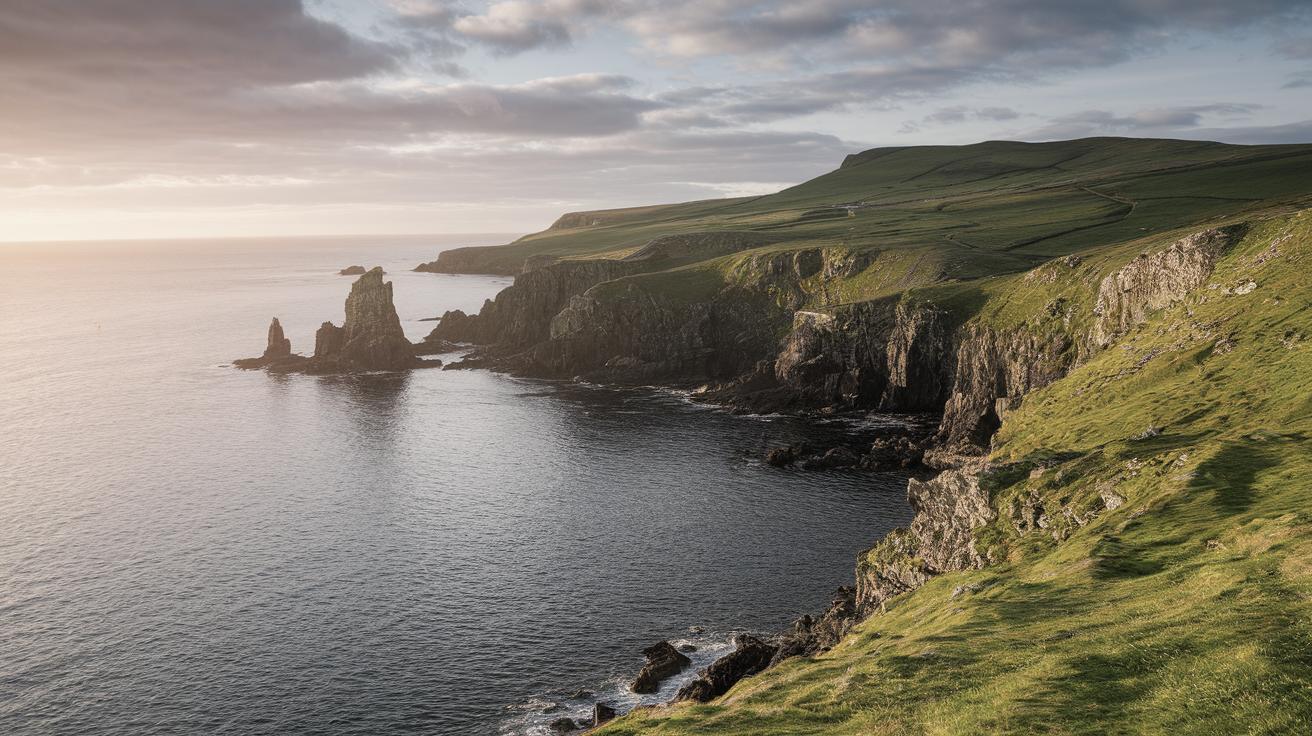
The west coast of Ireland, particularly the Wild Atlantic Way, is a treasure trove of marine biodiversity. This area offers memorable encounters with whales, dolphins, and other marine species, all of which thrive in these protected waters.
Eco-friendly tourism initiatives along the west coast aim to safeguard marine ecosystems while encouraging responsible wildlife viewing. Visitors can engage in eco-conscious boating tours, ensuring that their adventures do not disrupt the natural habitats of these remarkable creatures.
Future prospects
Seizing the opportunities presented by eco-friendly tourism requires ongoing commitment and innovation. Ireland continues to set a powerful example by fostering sustainable practices across its tourism industry. The future will see an expansion of these initiatives, as businesses, local communities, and visitors alike recognize the multifaceted benefits of eco-conscious travel.
Ensuring these practices are rooted in genuine care for the natural world will be key to their success. As the landscape evolves, so too will the means by which Ireland remains a beacon of ecotourism, driving global standards in sustainable travel.
| Aspect | Description |
|---|---|
| Ecotourism | Preservation and conservation of natural resources and wildlife habitats. |
| Leave No Trace | Maintaining the sanctity of nature by avoiding negative environmental impacts. |
| Waste Reduction | Minimizing waste through recycling and sustainable practices. |
| Consume Local | Supporting local economies and reducing transportation emissions. |
| Killarney National Park | Eco-friendly destination with diverse habitats and wildlife. |
| Seal Rescue Association | Conservation of marine life through rescue and rehabilitation efforts. |
| Wicklow Mountains National Park | Preservation of upland heaths and peatlands, promoting biodiversity. |
| Cliffs of Moher / Burren | UNESCO Global Geopark balancing tourism and environmental stewardship. |
| Marine Life on West Coast | Encouraging responsible wildlife viewing and conservation. |