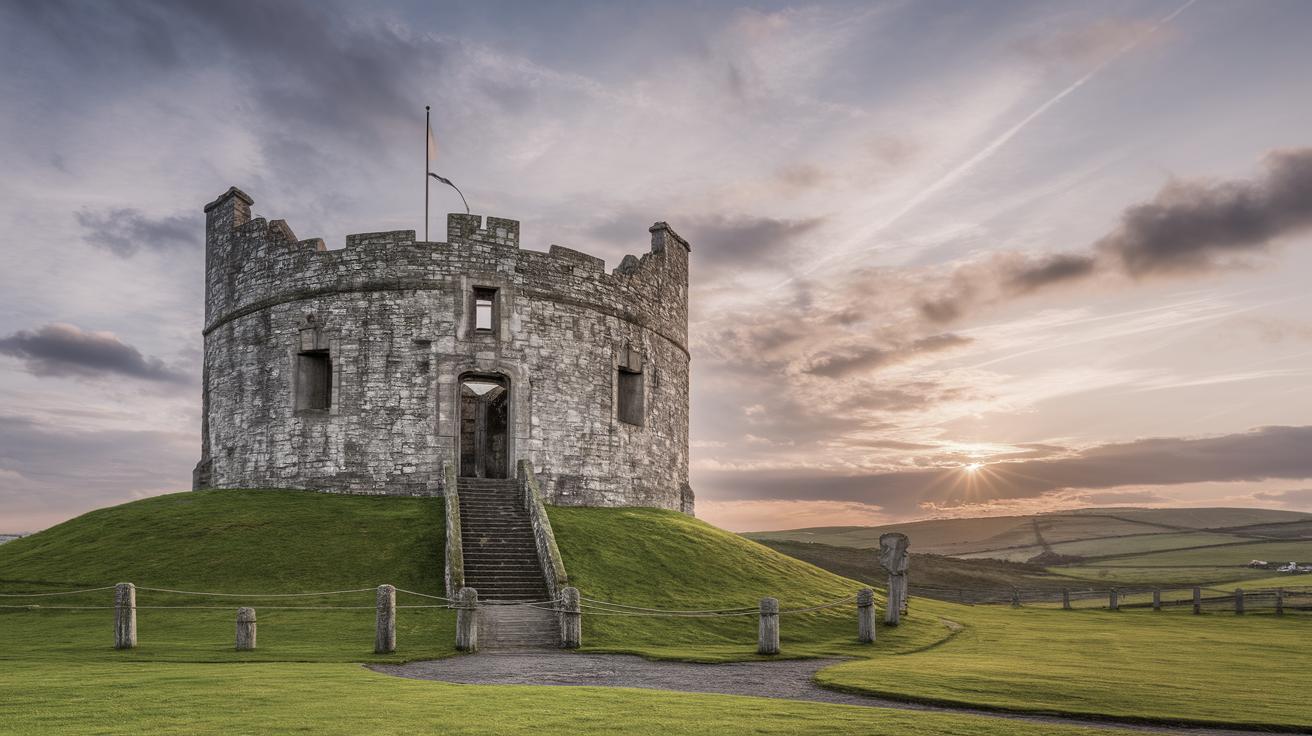
How to Appreciate Ireland’s Art and Crafts
Discover the rich tapestry of Ireland’s art and crafts scene, where tradition meets innovation in every stitch, brush stroke, and chisel mark. This guide delves into the historical influences, cultural narratives, and modern advancements that shape Irish arts and crafts. From ancient origins to the invisible artistry hidden within everyday objects, explore how stories are told through skilled hands and the evolving dynamics of creation. Furthermore, we investigate the importance of these cultural treasures with insights from Cúán Greene, an acclaimed voice in the field. If you’re ready to embark on a journey that respects heritage while embracing the rush for modernity, join us as we navigate the artistic landscape of the Emerald Isle.
Where on earth do we come from and what might have been?
Ireland’s artistic journey is rooted in a rich history that dates back thousands of years. The art and crafts of this island nation have evolved through the ages, heavily influenced by Celtic traditions and the various peoples who have called Ireland home. From the mysterious Neolithic carvings to the legendary manuscripts of the early Christian period, each era has left an indelible mark on Ireland’s cultural fabric.
The ancient Celts, renowned for their intricate knotwork and metalwork, shaped Ireland’s visual identity. Their artistic legacy is evident not only in museums but also in the landscapes where ancient artifacts surface, telling tales of a past brimming with creativity. These artifacts and stories provide invaluable insight into where Irish artistry might have stemmed from and the potential directions it could have taken.
It’s fascinating to consider how historical events, such as the Viking and Norman invasions, impacted artistic expression. This melting pot of influences enriched the local styles, ensuring that Irish art and crafts thrived through the centuries, setting the stage for continuous innovation.
Stories in the hands
At the heart of Ireland’s artistic tradition are the artisans whose hands bring stories to life. Craftspeople across the country weave narratives into their creations, whether it’s through textiles, pottery, or glasswork. This tactile storytelling is a unique hallmark of Irish craftsmanship that continues to resonate with audiences both locally and globally.
The practice of weaving, for example, holds deep significance. The famed Aran sweaters, with their complex patterns, are more than just garments. Each stitch tells a story, representing families, clans, and communities. Potters, using age-old techniques, mold clay into objects that speak of Ireland’s earthy beauty and resilience.
These stories engraved and woven into every piece exhibit a reverence for tradition while allowing room for individual expression. It’s a delicate balance, honoring the past while giving artisans the freedom to innovate and narrate contemporary tales through their work.
Rush for modernity
While tradition forms the bedrock of Irish art, contemporary artists and craftspeople are propelling the field into new realms. The current generation is driven by a rush for modernity, seeking to fuse historical techniques with cutting-edge practices. This intersection of old and new creates a dynamic canvas where possibilities are endless.
Innovative use of technology is becoming increasingly prevalent. Artists leverage digital tools and sustainable practices to create works that speak to today’s climate-conscious audience. Dublin, in particular, has become a hub for such innovation, where galleries and workshops offer spaces for collaboration and exploration of new media.
These modern advancements do not detract from traditional values; instead, they enhance and evolve them. The result is a vibrant, living art scene that respects its roots while fearlessly adapting to future challenges, ensuring that Irish arts and crafts stay relevant and impactful.
The invisible
An intriguing aspect of Ireland’s crafts is the notion of the invisible – the subtle, often unnoticed artistry that permeates daily life. From the design of a country cottage to the rhythm of a traditional dance, art is seamlessly woven into the Irish way of life.
The craftsmanship of furniture makers and builders reflects a blend of functionality and aesthetic grace that embodies the invisible art form. These seemingly ordinary objects are steeped in tradition, designed with an artistic flair that transcends mere utility. Instances of this phenomenon are evident throughout rural Ireland, where the land and its inhabitants are inextricably linked.
Is it important and does Ireland have one? Written by Cúán Greene.
Ireland’s arts and crafts are more than a cultural asset; they are vital to the nation’s identity. This significance stems from their capacity to capture and communicate Irish experiences and values across generations. They represent resilience, community, and the enduring love for storytelling that is quintessentially Irish.
As articulated by Cúán Greene, a celebrated advocate for Irish crafts, these works serve as vital cultural touchstones. They bridge the past and present, allowing each generation to connect with their heritage while looking towards the future. With robust support from institutions and a growing appreciation from international audiences, Ireland’s art scene continues to flourish, proving that the country’s creative legacy is as important now as it ever was.
Lessons learned
| Section | Summary |
|---|---|
| Where on earth do we come from and what might have been? | Explored the ancient origins of Irish art and the historical influences shaping its evolution. |
| Stories in the hands | Highlighted the artisan’s role in storytelling through tactile artistry and craftsmanship. |
| Rush for modernity | Discussed the blend of traditional techniques with modern innovations in Irish art. |
| The invisible | Delved into the unnoticed yet intrinsic artistic elements in everyday Irish life. |
| Is it important and does Ireland have one? Written by Cúán Greene. | Examined the cultural significance of Irish arts as an enduring legacy in national identity. |