Ireland, an enchanting Emerald Isle, beckons travelers with its breathtaking landscapes, rich history, and vibrant culture. But when is the best time to pack your bags and venture to this dreamy destination? This article will explore the optimal times to visit Ireland, considering weather conditions, seasonal events, and traveler preferences throughout the year. Whether you plan to wander through ancient castles, explore Irish folklore, or take in the stunning vistas along the Wild Atlantic Way, understanding when to visit can enhance your journey. Join us as we delve into the nuances of each month and highlight what makes Ireland a captivating destination year-round.
What is the best time to visit Ireland?
Determining the best time to visit Ireland largely depends on what you hope to experience during your travels. While the country offers beauty and charm year-round, there are certain factors to consider that can make your visit even more memorable. From bustling festivals to the serene beauty of the countryside, Ireland brings a unique allure no matter the season.
Generally, late spring (May through June) and early fall (September) often emerge as favorites among travelers. During these months, the weather tends to be agreeable, and the tourist crowds are relatively mild compared to the peak summer months. The landscapes are lush and green, providing the perfect backdrop for exploration. However, visiting outside these popular periods can also offer savings and a more authentic experience free from the throngs of summer tourists.
The best time to go to Ireland weather wise
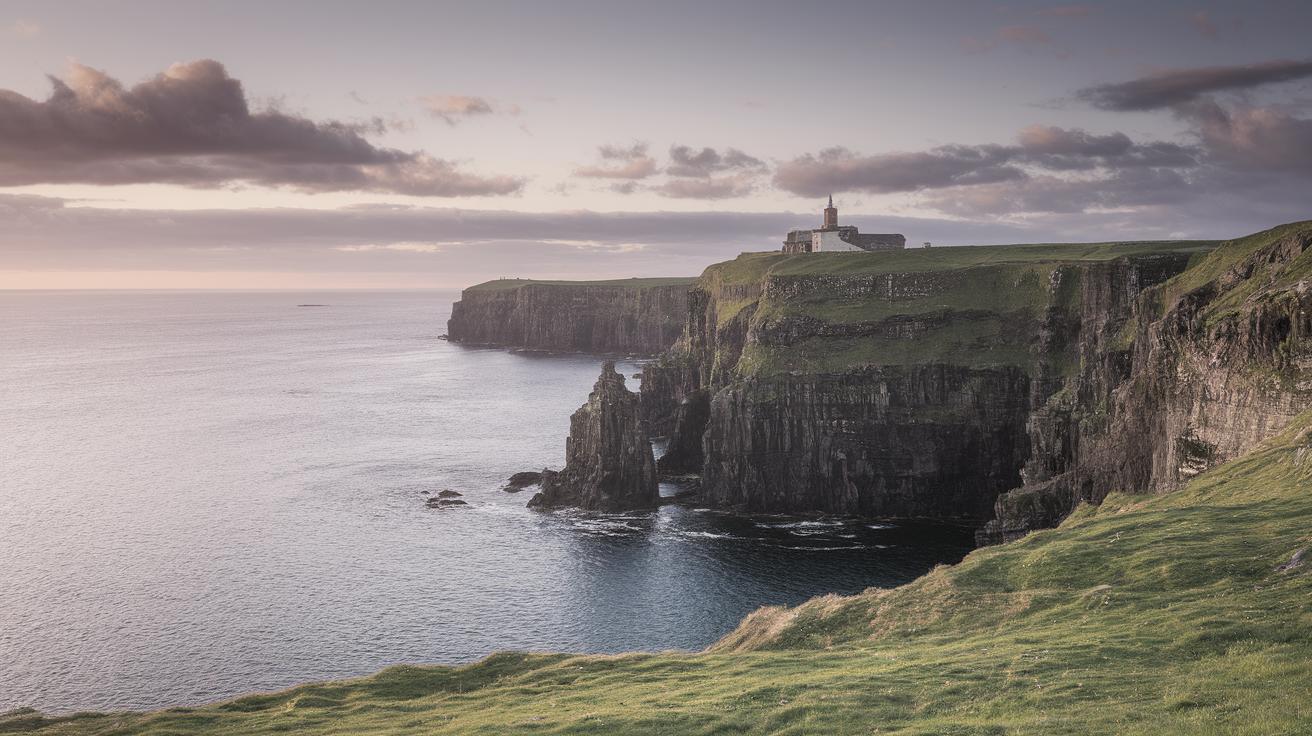
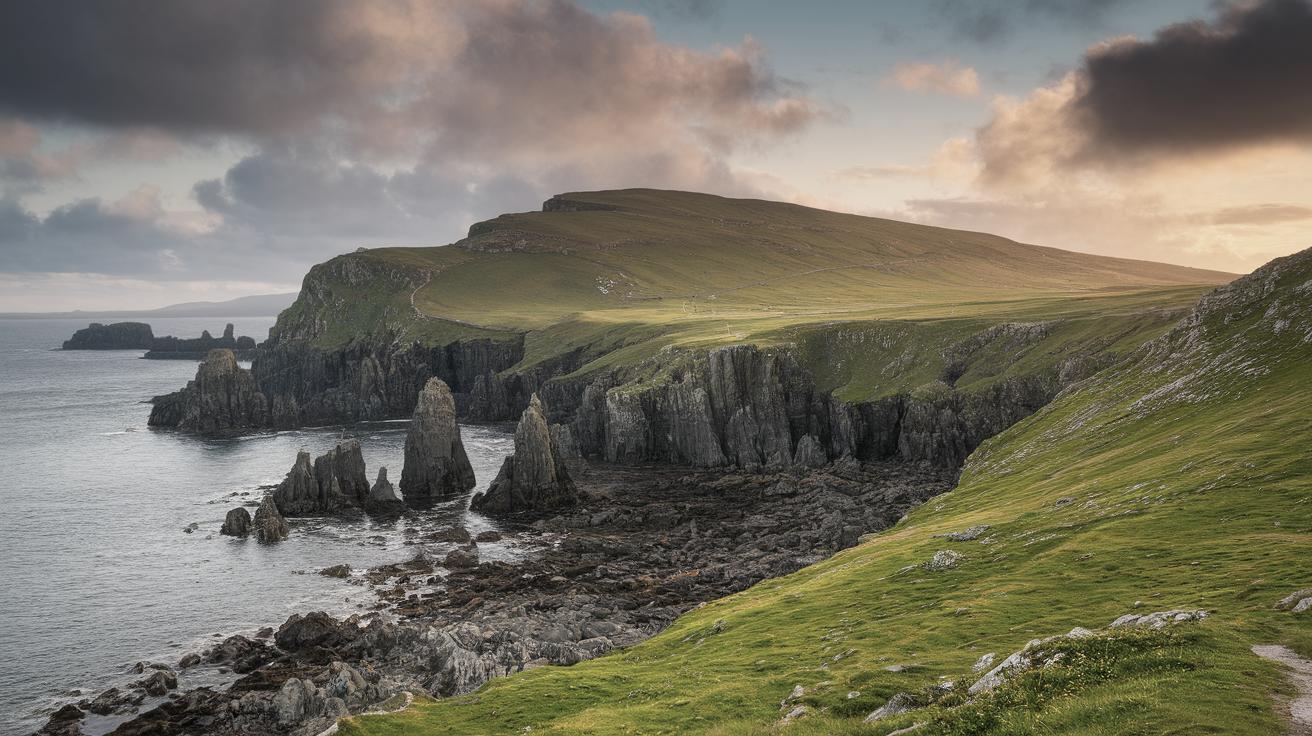
When it comes to weather, Ireland is known for its temperate maritime climate, which brings mild temperatures and a fair share of rain throughout the year. From the verdant hills of County Kerry to the rugged cliffs of Moher, the climate plays a pivotal role in shaping the island’s natural beauty.
The period from late spring to early autumn is often favored for its relatively milder conditions. May and June are particularly delightful, with longer daylight hours and blossoming flowers brightening the countryside. If you’re seeking sunshine, July and August are typically the warmest months, offering pleasant daytime temperatures that hover around 15-20°C (59-68°F). But remember to pack an umbrella, as the weather can be unpredictable with sudden showers.
When to visit Ireland: The pros and cons of each month
January
January in Ireland is characterized by short, often wet days with an average temperature ranging from 3-7°C (37-45°F). The festive buzz from the holiday season lingers, but many tourist attractions may have limited opening hours. On the bright side, this is an excellent time to experience Irish culture authentically, with fewer tourists and the possibility of catching a traditional ceili (Irish dance session).
The landscape is stark yet beautiful, with misty mornings painting the fields in a mystical light. Traveling in January requires a bit more planning, but the rewarding calmness and lower accommodation prices can be a deciding factor for the more intrepid traveler.
February
February sees an incremental uptick in daylight hours, although temperatures remain cool. During this month, the Irish landscape begins to hint at the awakening of spring, with snowdrops appearing in gardens and parks. Valentine’s Day can bring a romantic edge, with numerous locations offering cozy settings perfect for getaway trips.
Events like Trad Fest in Dublin provide a vivid cultural experience, celebrating traditional Irish music with lively performances. While February’s weather can be unpredictable, its quiet charm and lower tourist numbers make it an appealing month for those looking for tranquility and romance.
March
March holds a special place in the Irish calendar thanks to St. Patrick’s Day on the 17th. This globally celebrated event lights up the country with parades, music, and cheerful crowds donning green attire. While the weather remains breezy and rain is likely, the festive spirit compensates, making it a worthwhile visit for anyone wanting to partake in Ireland’s biggest cultural celebration.
With spring slowly asserting itself, March also signals the beginning of extensive tours across the countryside, though it’s advisable to layer clothing due to the unpredictable temperatures. It’s wise to book accommodations in advance, especially in cities like Dublin, where St. Patrick’s Day attracts significant attention.
April
April in Ireland typically brings a fresh feel, with hedgerows in bloom and evenings stretching into the night. Average temperatures start to rise, with highs reaching approximately 10-13°C (50-55°F). As the landscapes begin to burst with color, this month serves as an excellent opportunity for nature enthusiasts to explore Ireland’s natural beauty via hiking trails.
Springtime is a fantastic moment for photographing Ireland’s renowned scenic locations, as the lighting becomes ideal with more sunshine and vibrant greens. Additionally, Easter brings its own festive atmosphere, offering various activities that showcase Irish traditions and culinary delights.
May
May marks the arrival of one of the best times to visit Ireland, as the country enjoys warmer temperatures and longer days perfect for sightseeing. Whether you’re traversing the Cliffs of Moher or soaking up the culture in medieval towns such as Kilkenny, May offers a pleasing balance before the summer rush.
Events like the Galway Theatre Festival flourish in this period, providing an interactive cultural experience. With the weather often being dryer than earlier months and vibrant landscapes in full bloom, May is ideal for outdoor activities, from coastal walks to scenic drives through fabled countryside.
June
June ushers in the height of summer with temperatures often ranging from 10-18°C (50-64°F), but Ireland’s summer remains cooler compared to Southern European destinations. Long daylight hours, particularly around the summer solstice, mean more time to explore without having to pause for the evening.
Popular festivities include the Cork Midsummer Festival, which delivers a range of art-driven events, food markets, and vibrant community gatherings. June is a month that balances mild weather and cultural vibrancy, ideal for visitors looking to enjoy lively urban atmospheres combined with outdoor adventures.
July
July in Ireland often sees the warmest climate of the year, with temperatures averaging between 12-20°C (54-68°F). As schools close, families travelling abound, making for bustling cities and popular sites. Booking accommodations and travel in advance is a smart move to avoid any disappointments.
Despite the crowds, Ireland’s charm is undeniable with summer festivals in full swing, including the Galway International Arts Festival. The countryside offers a mix of lush greenery and cultural history, making July a festive time to visit but with the consideration of higher prices due to increased demand.
August
August remains a popular month for tourists, with the balmy summer weather providing ideal conditions for both city exploration and countryside outings. Average temperatures mirror those of July, enticing tourists to embark on outdoor adventures from national parks to the iconic Giant’s Causeway.
Events such as Puck Fair in County Kerry bring unique cultural insights, providing a glimpse into Ireland’s quirky traditions. August is busy, with a vibrant entertainment scene and thriving nightlife across Irish towns and cities. Prospective visitors should be prepared for crowded attractions and higher accommodation costs.
September
September is often hailed as one of the best months to visit Ireland, as the summer crowds wane and the weather remains relatively mild. It’s an ideal time for those wanting to capture the beauty of Ireland’s landscapes without heavy tourist traffic. The average temperatures range around 10-17°C (50-63°F), making it pleasant for outdoor activities.
Famed Galway Oyster Festival takes place this month, offering a decadent flavor of Ireland’s coastal bounty. With more manageable visitor numbers and balanced weather, September is fantastic for both avid photographers and those seeking cultural immersion alike.
October
October heralds the onset of autumn in Ireland, bringing stunning foliage that paints the countryside in shades of red and gold. While temperatures begin to drop with averages between 8-14°C (46-57°F), this serves as a picturesque time to explore both rural and urban settings unhindered by summer crowds.
Events like the Dublin Theatre Festival provide rich entertainment options, spotlighting the expressive arts talent Ireland harbors. The landscape’s transition with autumn hues and the relatively quieter tourist season make October an appealing month to visit.
November
November in Ireland is cooler, characterized by early twilight and an average temperature between 5-10°C (41-50°F). While days are shorter, the country begins gearing up for the festive season, making it a great time to experience the warmth of Irish hospitality and perhaps witness the start of twinkling holiday decorations.
The weather may mean fewer activities are available, yet visitors can enjoy indoor attractions or cozy taverns with traditional Irish folk music. For travelers who don’t mind the chill, November offers lower costs and a relaxed, local experience.
December
December brings holiday cheer to the island, with Christmas markets popping up in cities like Dublin and Cork. Despite the cold, with temperatures ranging from 3-8°C (37-46°F), the festive spirit is infectious, making it a charming time for a visit filled with yuletide festivities.
The shorter days provide an atmospheric backdrop for enjoying winter activities and sampling seasonal treats. Though the weather can be quite chilly, December offers a festive, unique experience that’s perfect for those wanting to experience an authentic Irish Christmas.
Now you know the best time to go to Ireland climate wise
Choosing the perfect time to visit Ireland ultimately depends on what you wish to experience. With its year-round charm, the Emerald Isle welcomes travelers with open arms, inviting them to discover its landscapes, cultural treasures, and warm hospitality. Whether you’re after the tranquility of off-peak seasons or the vibrant hustle of summer festivities, each time of the year presents its own unique appeal.
No matter when you plan your visit, being prepared for varying weather conditions will enhance your adventure, allowing you to immerse yourself fully in Ireland’s wonders. With this guide, you now have a better understanding of what each month can offer, paving the way for an unforgettable Irish journey.
| Month | Pros | Cons |
|---|---|---|
| January | Low prices, authentic experience | Cold, limited opening hours |
| February | Tranquility, cultural events | Unpredictable weather |
| March | Festive atmosphere, St. Patrick’s Day | Busy, higher prices |
| April | Spring blooms, mild weather | Unpredictable weather |
| May | Blooming landscapes, long days | Pre-summer rush |
| June | Longest days, mild summer | Busy, start of peak season |
| July | Warmest weather, numerous festivals | High tourist numbers, higher costs |
| August | Great weather, vibrant culture | Crowded, expensive |
| September | Fewer tourists, mild weather | Beginning of autumn |
| October | Autumn colors, arts festivals | Cooler temperatures |
| November | Low prices, festive spirit | Short days, limited activities |
| December | Festive atmosphere, Christmas markets | Cold, short daylight hours |